
We shouldn’t feel like we’re racing to the finish line when we have time off. The world often feels like it is running on a fast track. We’ve all had that “vacation” that requires keeping track of a spreadsheet where each hour is counted and you come home feeling like you need another vacation to recover from the first one.
But a new trend is sweeping through the travel industry that puts your peace of mind ahead of a full schedule. “Travel at your own pace” is the skill of turning back your time. It’s about being flexible, being able to change plans, and making plans that aren’t too stressful. It’s not about checking things off on a travel map; it’s about spending your time over a second espresso in the Roman square or willingly taking an afternoon nap in a hammock because the mountain air is too perfect to leave.
Why flexibility is the new luxury
Travel has changed a lot over the last few years. Travel rules are always changing, more people are working from home, and people have to find a way to balance their tight budgets with their strong desire for a change of scenery. Flexibility isn’t just about “being happy,” it’s a must.
We live in a time where things are hard to predict. The best travel hack is to change your plans without losing money or sanity. A tour that is flexible allows you to breathe. It eliminates the “what ifs” so you can enjoy the journey instead of worrying about how to get there.
What is a vacation that is flexible?
Choice is one thing that makes vacations flexible. Travel allows you to choose based on how you feel and how much energy you have, not based on a voucher from six months ago.
The benefits are immediate. First, the stress level is greatly reduced. You won’t have to worry about “hurry up and wait” as much if you don’t need to rush for a pre-booked ride at 9:00am. Second, it makes things more fun. You can make sure that each activity is something you really want to do by listening to your rhythm. For example, you can sleep in one day and wake up early the next to go for a walk at sunrise. It’s about pacing yourself; after all, this is your vacation, not a marathon.
Make plans for the unexpected
This may seem like a contradiction, but you should plan to be flexible. The goal is to create a framework that allows you to be spontaneous without being stuck.
- Choose dates and locations that are flexible: If you can, look for “shoulder seasons” or weekends when there are more openings. This makes it easier to work with last minute changes.
- Buffer Day Rule: Don’t pack too much into your day. Plan a “buffer day” for every two days you visit. This day has no plans at all. You can use it to go somewhere you find nearby or just relax by the pool.
- Use technical tools: Use travel apps that notify you immediately when prices drop or flights change. Apps that keep all your orders in one place make it easier to see if you should fill in the blanks or leave them blank.
- Put protection first: Travel insurance is your best friend if you want to travel in a flexible way. Look for policies that say “cancel for any reason” (CFAR). That way, your budget remains the same for a future trip if you decide that now is not the right time.
Places to help you get things done
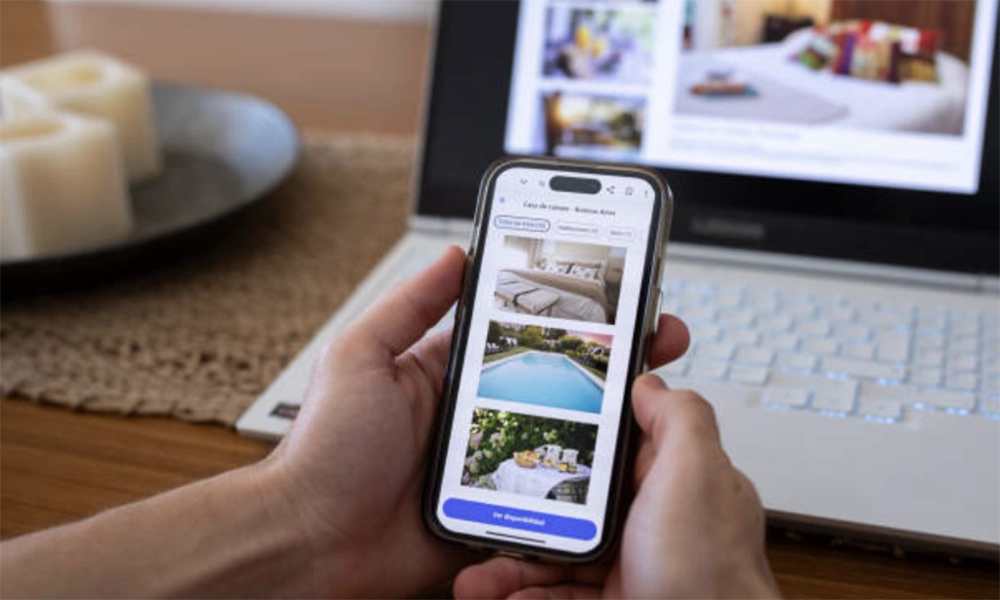
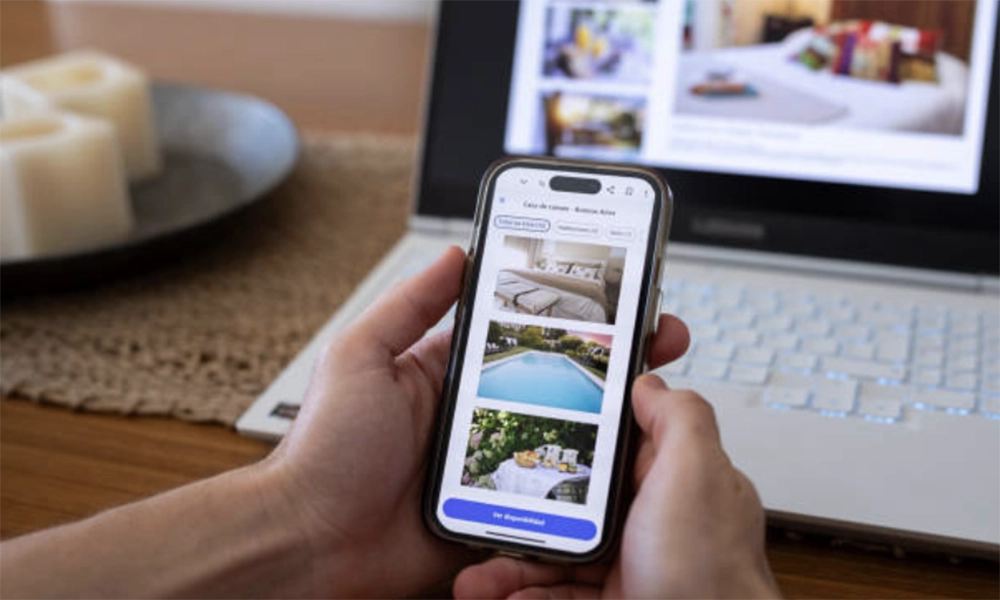
Where you stay is the most important part of a low-stress trip. When you book a hotel the old-fashioned way, you usually have to pay in full in advance or have a strict 48-hour window, which doesn’t take into account the unexpected things that happen in life.
If you really want to travel at your own pace, look for places that have flexible payment plans. For example, you can book now pay later At Westgate Resorts. This way, you can stock up on the set of your dreams without paying too much. With this kind of financial freedom, you can book a room at a popular destination while still having cash on hand for the actual trip.
If you want the bright lights of Las Vegas, the magic of an Orlando theme park, the energy of New York City or the tranquility of Park City, you need to find a provider that knows how to pay and book flexibly. It allows you to plan with peace of mind knowing you have a great place to stay that fits your budget and schedule.
Create an itinerary that may change
A flexible itinerary is not a blank page; This is a list of things to do in order of importance.
- “To Do” and “May-Do”: Pick a “must-do” for your trip that you’ll be sad to miss. Plan this in advance. Everything else should be “maybe”.
- Leave your afternoon free for spontaneous exploration: You can ask a local barista where they have lunch or catch a bus to see where the route ends. Some of the best travel memories come from places that weren’t on the “Top 10” list.
- In-flight fixes: If you find a neighborhood you like, stay there. If you find the museum boring, you can leave after twenty minutes. A flexible itinerary allows you to change your mind without feeling like you’ve “wasted” the plan.
Transportation and budget advice
Being flexible can sometimes get expensive if you’re not careful, but a smart budget will keep it going.
- Transportation: Look for flight rates that will allow you to get your money back. They may be a little more expensive, but the ability to change flights for free is worth its weight in gold when you realize you want to spend three more days in the mountains. If you’re going on a road trip, look for rental options that allow you to drop off your car in more than one city at no extra cost.
- Responsible budgeting: Use buy-now options and other tools wisely. These are great for spreading the cost of good places to stay, but make sure they fit into your overall budget.
- Buffer Fund: Always put money in your budget for emergencies. This is not for emergencies; it’s for the unlikely, like a last-minute boat trip or dining at a Michelin-starred restaurant you happen to pass by.
Conclusion
It is not just a matter of logistics; it’s a way of thinking about traveling at your own pace. It’s a decision not to let the pressure of “doing it all” get in the way of the joy of “being there.” You can turn your vacation from a chore into a fun experience by choosing the right tools, such as flexible booking platforms and flexible itineraries.
The world is big and always will be. No need to rush. So take it slow, leave some pages blank on your itinerary, and remember that the best thing you can bring back is a truly refreshed feeling. Have a nice trip!
- About the Author
- Latest news

Our editorial team are writers and experts in their field. Their views and opinions are not necessarily those of Wellbeing Magazine. If you are under medical supervision, talk to your doctor or therapist before following the advice and recommendations in this article.


