
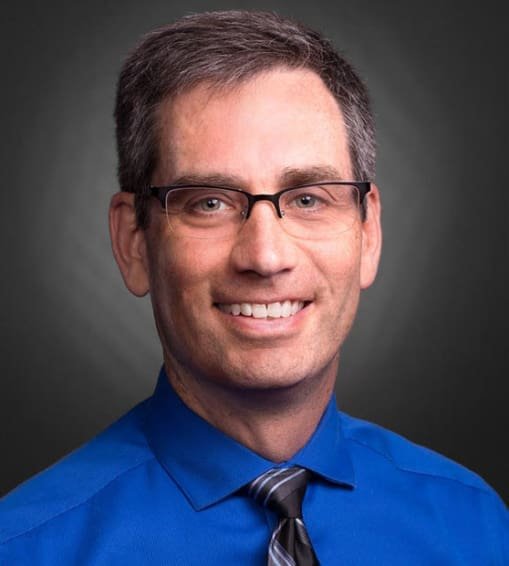
About 10% of US adults age 65 and older have dementia, while 22% have mild cognitive impairment. according to a Columbia University study. You may be concerned about your cognitive health or have questions about what you can do to improve your brain health, when to seek help from your doctor, and what to expect from your doctor when cognitive concerns arise. We spoke with John Brady, Ph.D., a family physician for three decades and a member of the Board of Trustees of the McKnight Brain Research Foundation, about his experience with patients concerned about brain health.
What questions would you most likely ask a patient concerned about cognitive health?
Dr. Brady: My first question would be, “Why are you concerned?” Many times, patients come in after an event that scared them, so I try to understand the reason for their concern about their cognitive health. I also ask patients about their family history, whether their father or mother has dementia.
Drilling down further, I want to know: Are you having problems at home and/or work? If so, what specific memory or cognitive problems are occurring? Do you have trouble finding words or remembering people’s names? Do you have trouble solving problems? These are the questions I will start with.
McKnight Brain Research Foundation studied which found that 87% of respondents were concerned about age-related memory loss and decline over time, so this is a common concern. The beauty of being a primary care physician is that we can assess our patients’ concerns early on, address them by looking for other possible causes of memory loss, and either help allay fears or refer the patient for further evaluation and treatment.
What is the most common question patients ask about aging and brain health?
Dr. Brady: A common belief among patients is that normal brain aging equates to dementia, and so many patients worry that some changes in their cognitive abilities mean they are developing dementia. The most common question is, “Do I have dementia?” The truth is, although many people experience cognitive changes due to normal aging, most people do not develop dementia. Just knowing this fact can allay fears and should encourage patients to have earlier and more open conversations with their doctor.
How do you distinguish normal aging or forgetfulness from more related problems?
Dr. Brady: The brain ages like the rest of our body, so cognitive aging, or brain aging, is just one part of the developmental process that occurs throughout our lives. It begins in the womb during the formation of the brain itself and continues through childhood and adolescence, puberty and even into old age. We see things like vocabulary, wisdom, and experience increase with age, but as we live longer, other things like processing speed, decision-making, and memory—can decline. The key point to understand is that cognitive aging is not a disease process. It’s just a natural part of aging.
Doctors talk about age-related changes in other organ systems. For example, with the heart, we know that the maximum heart rate decreases with age. We also know that peak lung capacity occurs around age 30, and then lung function declines. Doctors haven’t done a good job understanding how the brain changes with age, and how those changes don’t necessarily mean something terrible is going to happen.
How do we distinguish normal aging from more complex problems? Normal cognitive aging can be things like forgetting your car keys or struggling to find the right word in a conversation. Forgetting someone’s name or not remembering it until later can also be a sign of normal aging. Signs of a serious memory problem can be things like asking the same question over and over again, getting lost in familiar places, or not following simple directions.
I start by taking the patient’s history. I then administer the Mini-Mental State Examination (MMSE) or the Montreal Cognitive Assessment (MoCA) to determine if further evaluation through other diagnostic tests or referral to a cognitive specialist is warranted.
Are rates of dementia and Alzheimer’s increasing, or are we hearing more about it because of increased awareness, better diagnosis, and more treatment?
Dr. Brady: All of the above. Our population is aging and it is estimated that by 2060 we will go from around 550,000 people with dementia to over one million.
But new biomarkers are being developed and new treatments are emerging, so there is a lot of advocacy for early dementia assessment and an increased focus on early detection. This increases awareness. So I believe the answer is yes, the disease is increasing, but so is awareness and earlier diagnosis.
What can young adults do to keep their brains healthy?
Dr. Brady: This is a great question because it’s all about primary prevention. Many young adults don’t care about their brain health unless they have a parent with dementia. They are more interested in other health issues. The good news is that what is healthy for your heart and what is healthy for your body is also healthy for your brain. A healthy lifestyle that includes things like a Mediterranean diet, regular exercise, do not smoke and getting a good amount of sleep great for your brain. Also, protect your hearing It appears to preserve cognitive resources at a young age and reduce the risk of cognitive decline.
What are some other habits people can incorporate into their routine to keep their brains healthy?
Dr. Brady: It existed in July 2024 great article on Lancet. It was a compilation of all the studies that have been done and it says that 40% of dementia is largely preventable. The first thing to remember is that the brain is a vascular organ. So again, whatever is good for your heart will be good for your brain. This includes a good Mediterranean diet, no smoking, and exercise.
The brain is an organ that likes to be stimulated, so social interaction is also important. We learned during COVID how important social interaction is to continued brain health.
We don’t think much about hearing, but there is definitely a connection between hearing loss and cognitive decline. Sleep is another thing that we don’t think about enough, but as we get older, if we have sleep problems, then we increase the risk of cognitive decline and dementia, so if you have trouble sleeping, you should see a doctor.
Finally, there are certain medications that are known to cause cognitive changes, and therefore, all medications and supplements should be regularly discussed with your doctor.
What are the signs or symptoms of cognitive impairment that should prompt someone to see a doctor?
Dr. Brady: If people have symptoms that make it difficult to carry out everyday tasks such as driving or shopping, then it is important to see a doctor. If they keep repeating the same question over and over again, it’s important to see a doctor. If they are lost while driving or going to familiar places, this is another sign that further evaluation is important.
The reason this is important is not only because newer treatments are available, but also because cognitive changes may not be due to old age or dementia at all. For example, someone may have problems with worsening depression or they may have side effects from medications. Anything like this can be resolved by seeing a primary care provider.
In the unlikely event that the diagnosis is dementia, early evaluation and intervention with a cognitive specialist, physical therapist, speech therapist, or audiologist may be beneficial, so again, it makes sense to start with your primary care provider.
Want more information about cognitive health and how to talk to your doctor about your questions and concerns? Find more resources about dementia and Alzheimer’s disease Here.
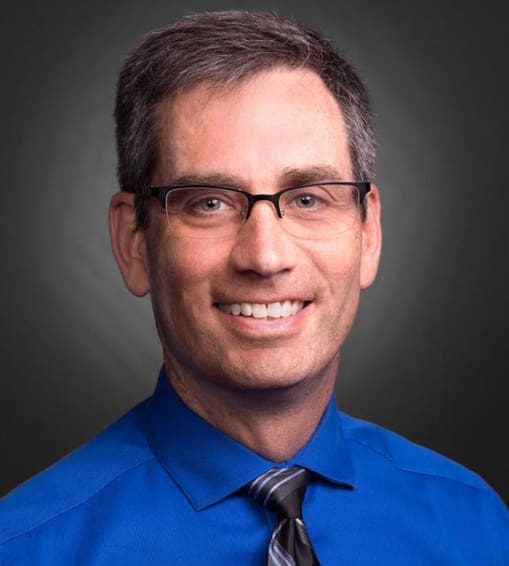
About John Brady, MD
Dr. Brady has been a family physician for three decades and is currently Associate Director of Family Medicine Residency at Virginia Commonwealth University. He is a member of the Board of Trustees of the McKnight Brain Research Foundation and past president of the American Board of Family Physicians.


