
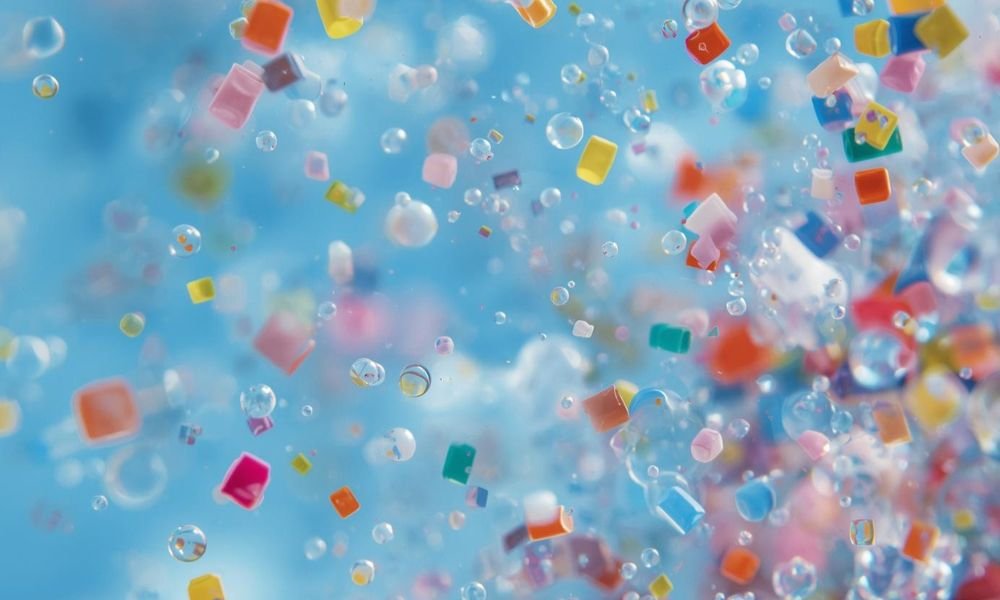
Two hundred years ago, Thomas Robert Malthus wrote an essay on population growth in which he described how its continued expansion was controlled by war, famine, and disease. Today we can add another factor: plastic pollution!
More than half a century after we switched from plant-based plastics like Bakelite to inorganic plastics from petroleum products, the production of plastics in all life stages has increased dramatically.
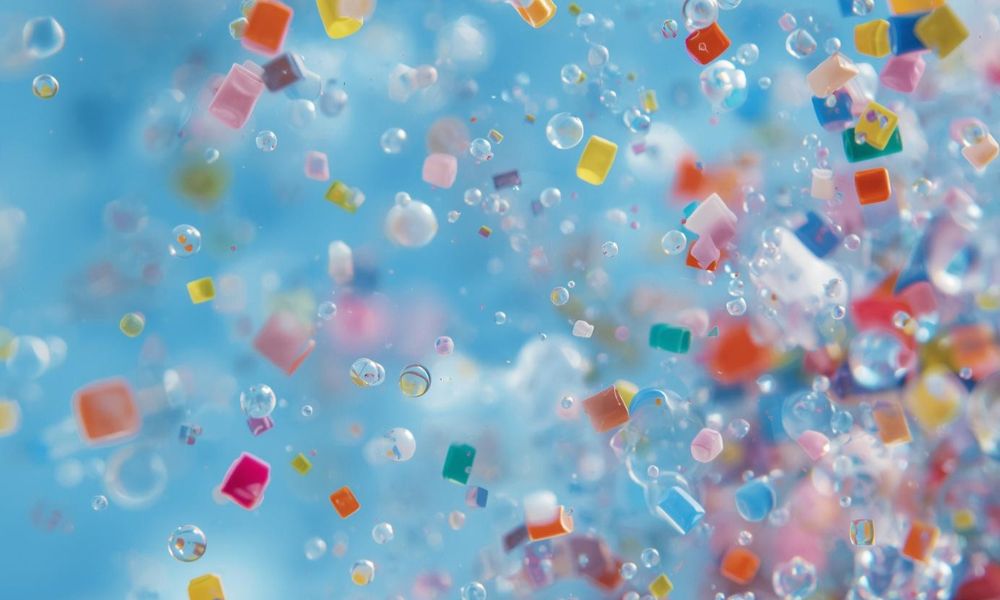
All modern plastics contain toxic chemicals such as phthalates and bisphenol A (BPA) that end up in our oceans, atmosphere, and worst of all, our food. Only about 10 percent of plastic produced is recycled, and the rest contributes to environmental pollution in our land, seas, and waterways.
When it comes to preventing plastic from entering our bodies, we can see that this is a huge challenge as plastic is found in almost every household item, clothes, cars, our homes and even in the humble bag!
It is estimated that over time, the average person accumulates as much plastic in their body as two credit cards. If the microplastics we breathe and digest were harmless, we could ignore them, but in fact they contain many toxic chemicals that are endocrine disruptors that can affect male and female fertility, increase body weight and increase the risk of diabetes. Research on the negative effects of microplastics on our health has been completely lacking, but so far it has been shown that over the last 50 years there has been a 50% decrease in sperm count in men, negative effects on female fertility and damage to the development of children in the womb.
Plastic is now so pervasive in our lives that it is difficult to reduce our consumption of microplastics and toxic chemicals, but here are some actions we can take:
- Avoid food and drinks that come in plastic packaging.
- Avoid fragrances and perfumes.
- Replace plastic plates and plastic kitchen utensils with wood.
- Use only natural personal care products.
- Avoid artificial fabrics, furniture and carpets that contain plastic or toxic chemicals such as fire retardants.
The good news is that when we reduce our consumption of microplastics and their toxic chemicals, our bodies quickly reap the benefits. A valuable demonstration of this is seen in work with couples who cannot conceive and is also captured in the Netflix video “The Plastic Detox”.
Microplastics, defined as plastic particles smaller than 5 mm, have emerged as widespread environmental pollutants with significant implications for human health. Because of their small size and persistence, microplastics have been found in air, water, food, and human tissues. Increasing scientific interest has focused on their potential to disrupt biological systems, particularly in relation to fertility and genetic integrity.
We are exposed to microplastics mainly through ingestion, inhalation and, to a lesser extent, skin contact. Studies have found microplastics in bottled water, seafood, and even fruits and vegetables. Airborne microplastics, especially in indoor environments, represent another route of exposure. Once inside the body, these particles can enter the bloodstream and accumulate in organs such as the lungs, liver, and placenta.
The harmful effects of microplastics occur through several main mechanisms:
- Oxidative stress: microplastics stimulate the production of reactive oxygen species (ROS) that damage cellular components, including lipids, proteins and DNA.
- Inflammation: Chronic exposure can cause chronic inflammatory responses and disrupt normal tissue function.
- Chemical washes: plastics often contain additives such as bisphenol A (BPA) and phthalates, which act as endocrine disruptors.
- Microplastics can absorb heavy metals and organic pollutants, increasing their toxicity.
- Effects on fertility: emerging evidence suggests that microplastics can significantly affect reproductive health.
- Male Fertility: Experimental studies have shown that exposure to microplastics can reduce sperm count, motility and viability. Structural damage to sperm cells and disruption of testosterone levels have also been reported. These effects are thought to be caused by oxidative stress and endocrine disruption.
- Female fertility: in women, microplastics have been linked to ovarian damage, decreased egg quality, and impaired embryo development. Animal studies show that exposure can alter hormone levels, particularly estrogen and progesterone, which are important for reproductive success.
- Placental transfer: recent research has identified microplastics in human placental tissue, raising concerns about fetal exposure and developmental risks.
- DNA damage and genotoxicity: one of the most concerning aspects of microplastic exposure is its potential to cause DNA damage. Microplastics can cause genotoxic effects by direct interaction with cells and damage DNA structure. Oxidative damage caused by microplastics can cause strand breaks and mutations or epigenetic changes. Exposure to plastic-related chemicals can alter gene expression without altering the DNA sequence. Such damage can increase the risk of mutations, cancer, and genetic disorders. Although most of the evidence comes from in vitro and animal studies, early human data suggest that similar biological pathways may be involved.
Despite the growing concerns, the current research has limitations. Human studies are still relatively few and long-term epidemiological data are lacking. The variability in size, composition and exposure level of microplastics complicates risk assessment. However, the consistency of the findings in experimental models highlights the need for caution.
Microplastics are a serious and recurring threat to human health. Increasing evidence suggests that they can disrupt reproductive systems and contribute to DNA damage through oxidative stress, inflammation, and chemical toxicity. Although further research is required to fully understand their long-term effects, the current findings justify immediate measures to reduce exposure and reduce environmental pollution. Combating microplastic pollution is not only an environmental imperative, but an important public health priority.
The Netflix documentary “The Plastic Detox” offers a positive insight: it seems that reducing our daily consumption of microplastics can return our bodies to normal. We should be able to keep some microplastics harmless.
Michael Lingard – BSc (Economics) DO
Quotes:
1. Wright, SL, & Kelly, FJ (2017). Plastics and Human Health: A Small Issue? Environmental Science and Technology, 51(12), 6634–6647.
2. Koks, KD and others. (2019). Human consumption of microplastics. Environmental Science and Technology, 53(12), 7068–7074.
3. Ragusa, A. and others. (2021). Plasticenta: First evidence of microplastics in the human placenta. Environment International, 146, 106274.
4. Jin, Y., et al. (2019). Polystyrene microplastics cause microbiota dysbiosis and inflammation in mice. Environmental Pollution, 244, 760–770.
5. Revel, M., Chatel, A., & Mouneyrac, C. (2018). Micro (nano) plastics: a threat to human health? Current Opinion in Environmental and Health Sciences, 1, 17–23.
6. Campanale, C., et al. (2020). A detailed study of the possible effects of microplastics and additives of concern on human health. International Journal of Environmental Research and Public Health, 17(4), 1212.
7. Leslie, HA, et al. (2022). Detection and determination of the amount of pollution of plastic particles in human blood. Environment International, 163, 107199.
- About the Author
- Latest news

Michael Lingard, a regular contributor to Wellbeing magazine for the past 18 years. A passionate promoter of real healthcare and wants to see a paradigm shift in modern medicine; from a system based on disease and pathology to a system based on health and ethology.


