
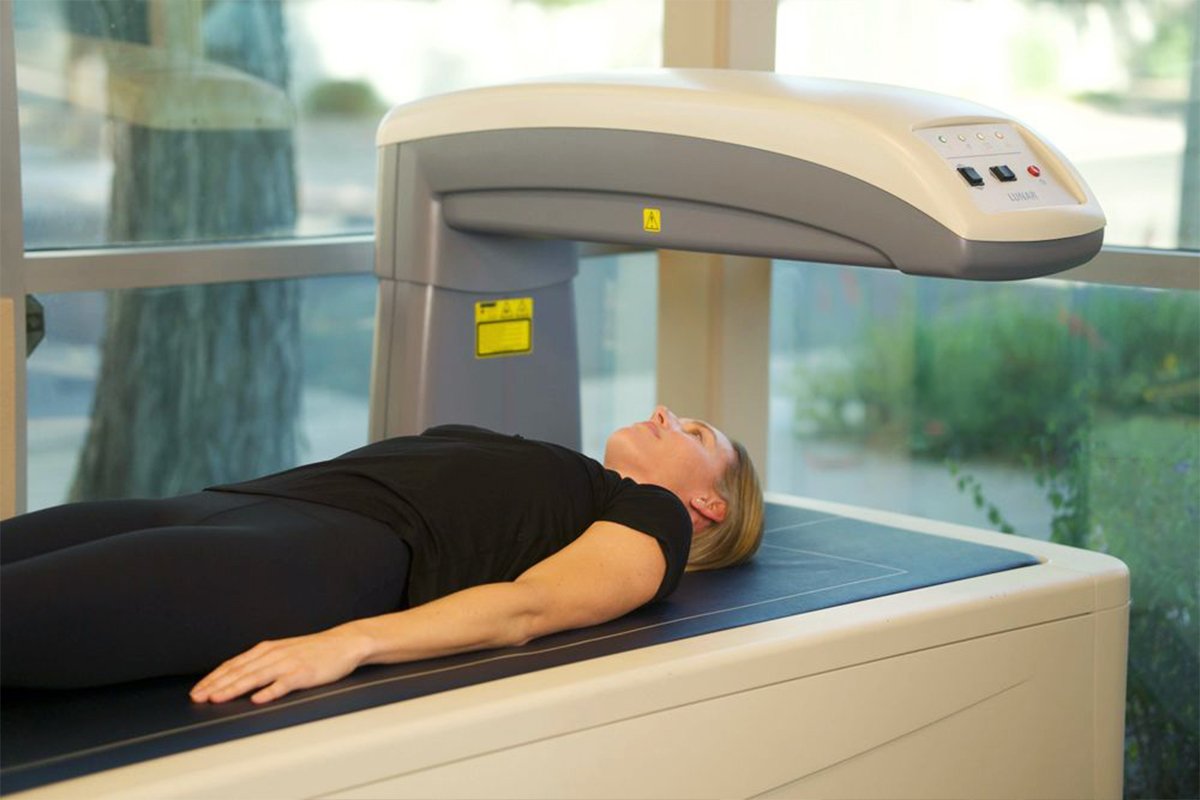
As body composition scans move into the longevity mainstream, Fitnesscity Health wants consumers to look beyond the cheapest option.
DEXA scans have sat in the context of clinical medicine for years, mostly associated with bone density tests for adults. Now they are becoming a defining tool in the longevity conversation.
Consumers using GLP-1 drugs, tracking muscle loss, or trying to better understand how they are aging are increasingly turning to DEXA body composition testing for answers. The scans promise something a bathroom scale can’t: a clearer view of what’s going on inside the body, including fat distribution, lean muscle mass and changes over time.
However, as demand increases, so do new challenges. The market is flooded with low-cost operators offering fast scans with little clarity around quality control.
A consumer-driven health testing platform Fitness health announced what it calls the Clinical Integrity Standard (CIS), a voluntary framework designed to bring greater consistency and accountability to commercial DEXA body composition testing (1).
Across longevity care is a shift where as consumers begin to make long-term health care decisions based on biometric data, questions about data quality will become harder to ignore.
DEXA scans have become popular in part because they fit the modern mindset of longevity. People no longer want vague health advice; they want measurable baselines and trackable changes. This demand has created a booming business market. Some providers now offer scans at very low prices, often through pop-ups or mobile transactions.
Fitnesscity argues that access can come at a price that consumers can’t easily see. The company points to the guidance of the International Society of Clinical Densitometry (ISCD), which recommends continuous testing environments and repeated scans on the same machine for reliable long-term follow-up. Factors such as room temperature, machine calibration, power stability and physical settings can all affect results over time.
To the average consumer, this may sound overly technical, but the meaning is simple: if test conditions change too much between scans, it becomes harder to tell whether changes in body composition are real or just noise in the data.
In longevity medicine, where people can track progress in years rather than weeks, that’s the difference that can make a difference. Without stronger standards, Fitnesscity warns that the DEXA body composition test risks becoming little more than a “glory scale”.
The newly created Clinical Integrity standard is built around three areas that Fitnessit says are essential for reliable long-term follow-up.
- The former focuses on a robust testing environment. Rather than mobile setups, the framework favors fixed facilities where temperature, power supply and equipment placement can be more tightly controlled.
- The second pillar focuses on quality assurance, including machine calibration, technologist training, and continuous reporting practices.
- The third addresses clinical supervision, arguing that results should not be simply given to consumers without the interpretation or context of qualified professionals.
Fitnescity says its network includes systems of hospitals, imaging centers and vetted wellness facilities designed around these principles.
The company refrains from calling for regulation. Instead, CIS is positioned as a market effort to establish a visible benchmark in an industry that currently operates with relatively few pipelines.
Longevity remains one of the fastest growing areas in health care, but one of the least standardized. Many of the tools now sold directly to consumers—from biological age tests to continuous metabolic tracking—exist in a gray area between wellness and medicine. The DEXA body composition test is increasingly sitting in the same space.
The conversation about longevity is evolving rapidly. The primary focus is often on optimization and performance; today, it is more about prevention and sustainability. That’s where body composition becomes important.
Research shows that muscle mass and fat distribution are closely related to healthy aging, metabolic health, mobility, and future risk of injury. In particular, concerns surrounding sarcopenia (or age-related muscle wasting) are moving into the mainstream clinical debate, especially as the use of GLP-1 expands.
For consumers navigating this landscape, reliable tracking becomes more than just a luxury. It becomes part of how people find out if interventions really work.
“When DEXA informs decisions about GLP-1 treatment, sarcopenia, or long-term follow-up of body composition, the odds are high for a race to the bottom. The cheapest option may not always provide reproducible long-term data for these decisions,” said Laila Zemrani, co-founder and CEO of Fitnescity.
The launch of the Clinical Integrity standard may finally reflect something bigger in the longevity industry: consumers are no longer just buying access to data. They increasingly question whether this information can really be trusted.


