
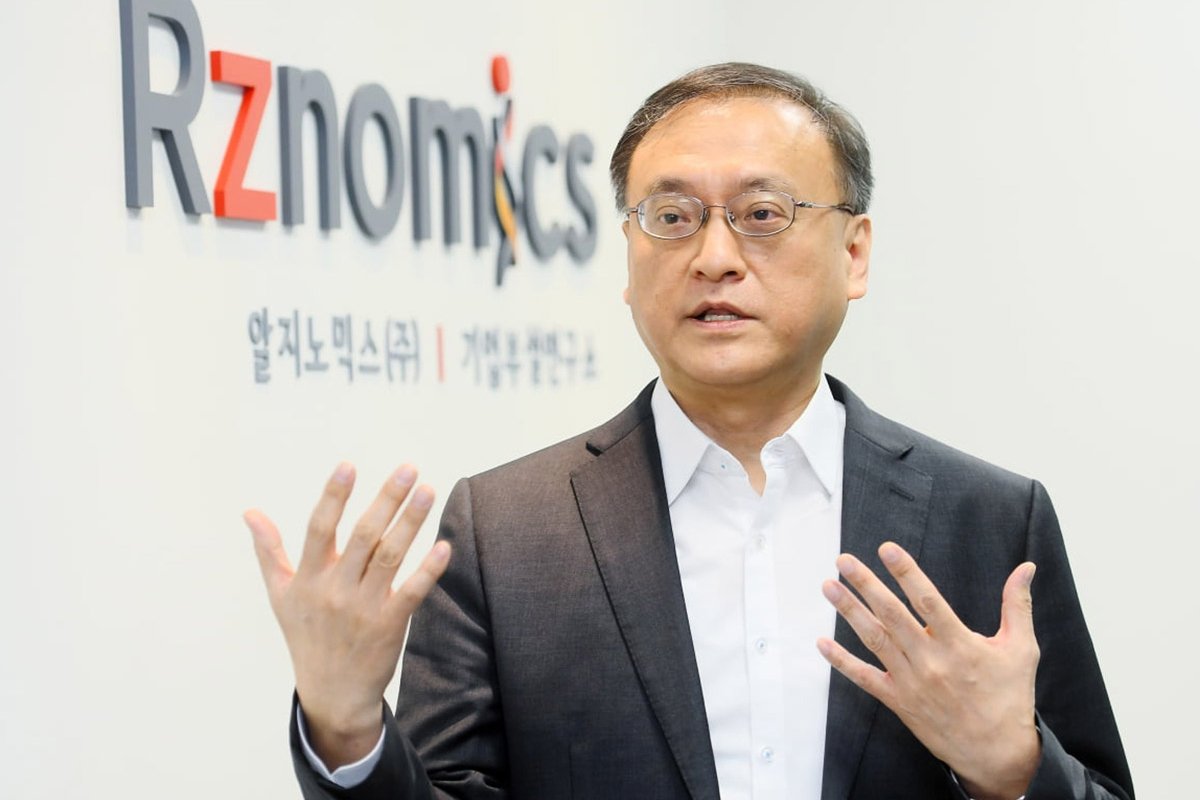
The FDA’s support shows the growing momentum of RNA-based therapeutics in oncology and longevity science.
What if treatment for chronic diseases could work less like chemotherapy and more like a spelling test? That is, in some ways, the promise behind RZ-001, the South Korean biotech’s experimental liver cancer treatment. History which just got a big push from the US Food and Drug Administration (FDA).
The agency has granted Regenerative Medicine Advanced Therapy (RMAT) designation, a designation reserved for treatments that show early signs of treating serious diseases that cannot be treated with existing drugs (1).
For patients with hepatocellular carcinoma (HCC), the most common form of liver cancer, the news is important. HCC remains one of the deadliest cancers worldwide, partly because it is often detected late and partly because the liver itself is already damaged in many patients before treatment begins.
However, the significance of this announcement goes beyond a cancer treatment. It mirrors what is happening in biotechnology: medicine is becoming increasingly programmed.
Conventional cancer treatments often act like carpet bombing. Chemotherapy kills rapidly growing cells indiscriminately, so patients lose hair, become fatigued, and experience serious side effects. Even new targeted therapies can struggle to separate healthy tissue from cancer cells.
Rznomics is trying something different. RZ-001 uses an RNA editing platform designed to rewrite faulty cellular instructions within cancer cells. RNA is essentially the body’s messaging system, which contains instructions that tell cells how to make proteins and how to behave. Cancer releases these instructions to continue growing.
The easiest way to think about it is this: if DNA is a hard drive, RNA is a living document currently open on the screen. Instead of permanently overwriting the hard drive, Rznomics tries to edit the active file while the system is running.
RNA editing is attracting increasing attention because it may offer a more flexible and potentially safer alternative to permanent gene editing. Instead of permanently altering DNA, RNA-based therapies could theoretically replace harmful instructions temporarily and more precisely.
For senior researchers and long-term investors, this idea is becoming more and more attractive. Many age-related diseases occur when cells stop communicating properly, accumulate damage, or lose their ability to regenerate. Technologies that can modulate these signals at the molecular level are beginning to sound less like science fiction and more like the next chapter in medicine.
FDA’s RMAT designation is an important signal. The program was created under the 21st Century Cures Act, which is designed to speed promising renewable medicines through the regulatory process. Companies granted RMAT status receive closer guidance from the FDA and may later qualify for expedited review. This is a sign that regulators believe the therapy deserves serious attention.
Rznomics said the appointment was based on Phase 1b/2a clinical data, which showed a promising safety profile and preliminary responses in patients. The company presented interim test results earlier this year American Association for Cancer Research annual meeting.
The therapy has already received orphan drug designation in 2024 and Fast Track designation in 2025. RMAT’s status adds another layer of momentum at a time when RNA therapeutics is becoming one of the industry’s most watched sectors.
“With the appointment of RMAT, we plan to accelerate our US development and partnership initiatives by beginning formal discussions with the FDA on clinical trial design, chemistry, manufacturing and control (CMC), and commercial strategies,” said Sung-woo Hong, vice president of Rznomics.
Song-Wook Lee, CEO of Rznomics, said the FDA’s RMAT designation for RZ-001 served as a significant validation of the innovation and global competitiveness of the company’s RNA editing platform.
Lee emphasized that the organization will focus its resources on international development and commercialization efforts to establish a breakthrough treatment for hepatocellular carcinoma (HCC), which he said is a field facing extremely high unmet medical needs.
The long-term connection becomes impossible to ignore. Ten years ago, RNA therapeutics still felt experimental. Then came mRNA vaccines, which showed that cells could be effectively instructed as software. Since then, the field has rapidly expanded into cancer, rare diseases, and longevity sciences.
The struggle is not random. Aging itself is now viewed less as simple wear and tear and more as a gradual breakdown in cellular communication and repair. Cancer is one clear example of this process going catastrophically wrong. Technologies capable of editing mobile instructions may eventually become part of a broader set of tools aimed at extending healthy lives, not just treating disease.
Of course, caution is necessary. Early stage oncology results often appear encouraging until larger trials reveal limitations. RNA editing also faces manufacturing and delivery challenges that the industry is still working through.
However, the direction of travel is getting harder to deny. Rznomics may not have a commercial treatment on the market, but the FDA decision shows that regulators are opening up to treatments that treat disease not by brute force, but by rewriting the biological instructions that cause it.


