
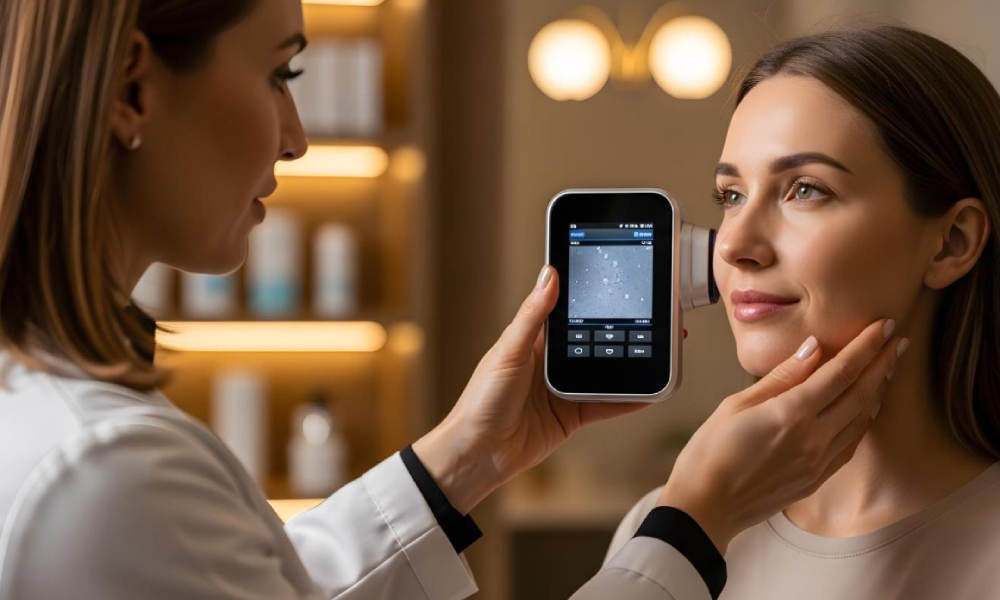
During the last decade, the concept of preventive health has expanded greatly from traditional medical examinations. People are increasingly interested in understanding how their daily habits, environmental influences, and lifestyle choices affect their long-term well-being. Wearable fitness trackers, sleep monitoring devices, and nutrition apps have already changed how individuals approach their health on a daily basis. Now, such a change is happening in the field of skin health.
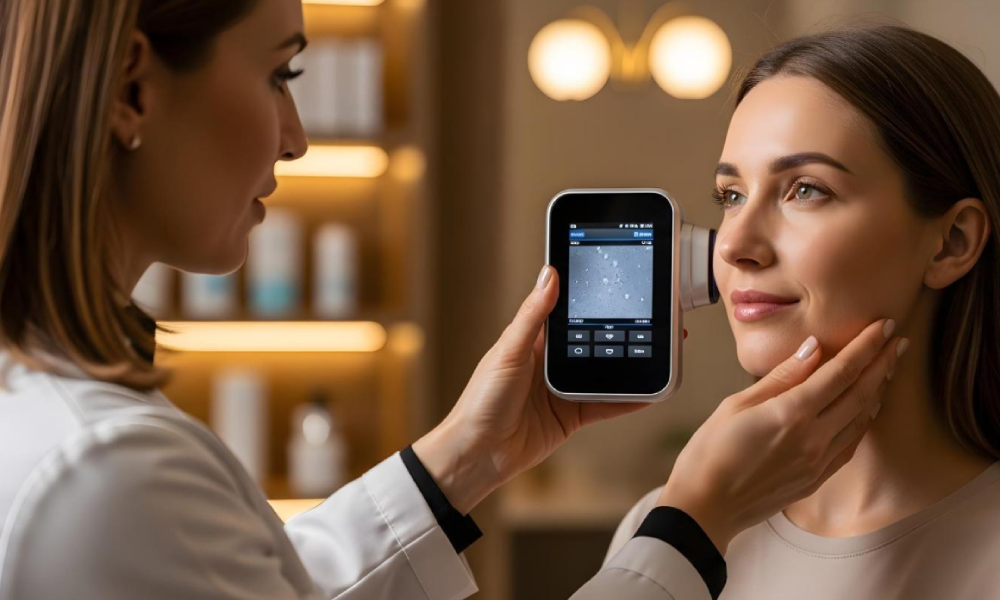
Skin is often one of the most visible indicators of our body’s relationship with the environment. Sun exposure, pollution, stress, aging and lifestyle factors can all affect the appearance and behavior of skin over time. However, many changes occur gradually that are difficult to notice without constant observation.
This growing awareness has led to an interest in active skin monitoring, an approach that encourages individuals to become more familiar with their skin patterns and pay attention to changes that appear. With the rise of digital health tools and artificial intelligence, people now have new ways to support this awareness.
How AI supports preventive skin monitoring
Artificial intelligence has become an important part of many healthcare technologies due to its ability to analyze visual patterns and organize large amounts of data. In skin monitoring applications, AI can help by helping users capture continuous images and track changes in specific areas over weeks or months.
Instead of trying to remember something in the past, people can compare images side by side and notice the differences more objectively.
This kind of documentation can be especially valuable when people decide to see a health care professional. Having a timeline allows people to show how something has evolved rather than just relying on memory.
These technologies are not intended to diagnose or treat medical conditions. Instead, they help individuals develop better habits around their skin health and encourage earlier conversations with qualified professionals when needed.
Digital tools that stimulate daily skin awareness
Preventive wellness depends more on tools that help people notice subtle changes in their bodies over time. Just as fitness trackers reveal patterns of physical activity and sleep apps highlight nighttime routines, new digital solutions are starting to become more aware of skin health.
For many people, remembering what a particular place or landmark looked like months ago can be surprisingly difficult. Small variations in color, shape, or size can develop so gradually that they are easily overlooked in daily routines. This is where structured digital tracking can become valuable, allowing individuals to document what they see and revisit those observations later.
Programs like ScanSkinAI demonstrate how digital tools support greater skin awareness. The platform uses AI-powered image analysis to help users assess visible skin concerns and monitor changes over time through simple photo scans. In addition to automated analysis, users can optionally request diagnosis and guidance from a dermatologist, while continuous tracking features allow individuals to record their observations and closely track their skin health. Rather than replacing professional medical care, these tools are designed to encourage people to pay attention to their skin and seek expert advice when anything unusual appears.
As digital health technologies evolve, these types of tools show how everyday devices, especially smartphones, can support preventative health habits in simple yet meaningful ways.
Why early warning is important
Active monitoring does not mean trying to self-diagnose skin conditions. Instead, it focuses on recognizing that something new, unusual, or transformative is emerging.
As people become more aware of their skin tone, they are better prepared to notice the differences earlier. Early detection can encourage timely discussions with health professionals trained to properly assess skin problems.
This collaborative approach, which combines personal observation with professional guidance, can enhance preventive care.
Responsible use of digital health technology
As digital health tools proliferate, responsible use remains critical. AI-driven monitoring programs should always be viewed as support tools, not medical authorities. Healthcare professionals, including dermatologists and primary care physicians, remain the appropriate resource for diagnosis, treatment decisions, and clinical guidance.
Health organizations also emphasize this balanced approach. In World Health Organization noted that digital health technologies can enhance preventive care and patient engagement when they are used to complement rather than replace professional medical practice.
Digital tools just provide a way to organize observations and stay informed between appointments. When used wisely, they can help individuals become more informed participants in their health journeys.
The future of skin monitoring
The intersection of artificial intelligence, mobile technology, and preventative wellness is likely to expand in the coming years. As smartphone cameras improve and machine learning systems advance, digital monitoring tools can become even more useful for documenting and organizing personal health observations.
At the same time, people’s awareness about skin health is increasing. People are finding that simple habits, such as paying attention to changes, protecting the skin from excessive sun exposure, and consulting with professionals when necessary, can play an important role in long-term wellness.
Technology cannot replace medical practice, but it can support awareness and encourage healthy habits.
In this sense, skin monitoring tools powered by AI represent a broad shift in how people approach preventative care. By helping people pay attention to their bodies and document changes over time, these tools promote a more active and informed approach to health and wellness.


