
Rachel Branson has been advocating for free access to health information for 20 years. This is the story of his journey from accidental publisher to media innovator.
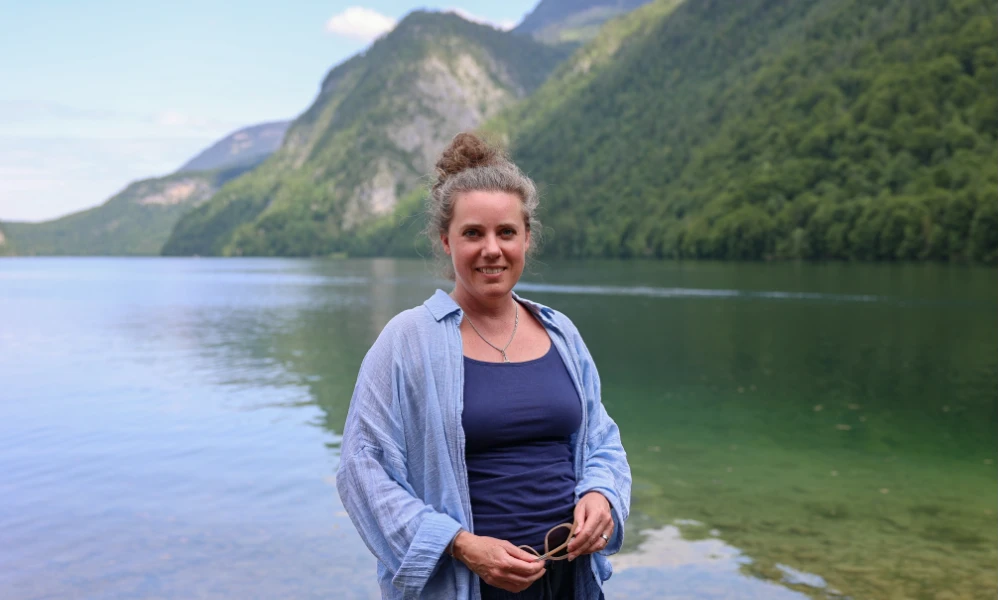
Some people go into publishing with a grand plan. Rachel Branson, founder of Haywood Media and publisher of Wellbeing magazine, fell into it by accident. What started as a job to pay the bills after graduating with a fashion degree has since turned into a 20-year career quietly spent challenging the status quo, moving through failure after failure with a rare combination of grit and grace.
His journey is not a straight line from A to B. It’s a story of false starts, painful lessons, and a steadfast belief that information should be shared, not protected. As Wellbeing magazine heads into its 20th year, the woman at the helm is less of a traditional publisher and more of a testament to the power of resilience, curiosity and the Japanese philosophy of continuous and endless improvement.
From fashion to fax machines
In the 1990s, after graduating from De Montfort University and moving from Birmingham to Tunbridge Wells, Rachel needed a job. She landed a role at Benn Publishing TV, a world away from the fashion career she trained for. Her days were spent selling classified ads to international companies at a time when fax machines were at the height of technology. But something clicked.
“I just fell in love with the idea of talking to people who were marketing managers and CEOs of companies, big international companies around the world,” he said. “And I have to talk to them about their marketing.”
The world of fashion was forgotten. Rachel had discovered a passion for connection and communication. He soon started his own publishing business, creating trade directories for the home and flooring industry, only to sell them when the fledgling Internet threatened their relevance. It took a detour, this time to an area that would change the course of his life: health.
Goalkeeper problem
Rachel was drawn to the world of natural health and began retraining in naturopathic medicine. While she didn’t finish the course, a marketing role in college sparked an idea that would become her life’s work. He noticed a significant gap in the media landscape.
“It was known that the national press would not publish anything that was even slightly controversial,” he explains. “That’s why everything that complementary medicine or editors don’t publish is controversial, and I felt that it was very important for anyone with a health condition to have free access to information.”
It wasn’t just a business opportunity; it was a belief. Rachel believed that when it comes to health, people deserve access to the full range of ideas, not just a sanitized version. This principle became the basis of Wellbeing magazine.
“Some of the things I’ve posted are not my opinion, but I didn’t feel like it was my job to be the gatekeeper.” “I believe that everyone has a right to freedom of information and that everyone should take responsibility and do their own research and come to their own conclusions.”
And so, Journal of Health was born, which began as a local publication with an initial print run of 10,000 copies, all of which Rachel planned to deliver by hand.
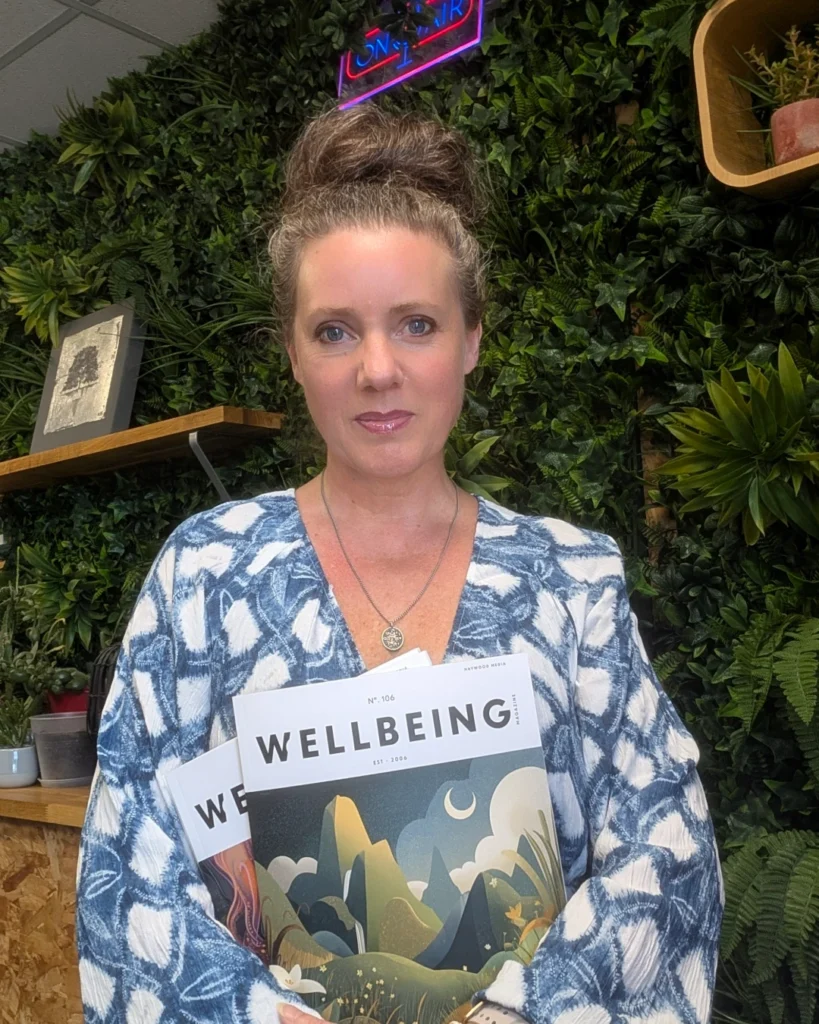
Knocking on the floor, Painful
Just as he was about to set off with the first edition, disaster struck. “I had an accident where I pulled a very large pine door onto the back of my legs,” she says. “And he was in great pain.”
She talked to a local osteopath she met while creating the magazine and advised her to keep moving. What followed was an act of pure determination. Rachel walked the streets of Tunbridge Wells delivering every copy.
“Training for 10,000 reps, even though it was very painful, allowed me to heal my legs very well,” he said. But the experience was not only healing. It connected him to his community in a way he never expected. “I send copies to doctors, dentists, clinics and therapy rooms, and to local businesses for their employees. That way, I’ve gotten to know my community very quickly.” This direct contact soon allowed him to host local wellness events, bringing therapists and people together.
Lessons from leaving
As the magazine grew, Rachel decided to franchise the model across the UK. It seemed like a logical step, but it was actually one of his hardest lessons. He realized that running a business requires a specific skill set that not everyone has.
“I spent most of my time mentoring and trying to help franchisees, which meant I didn’t have enough time to build the business and do the things I really loved,” he says. The financial and emotional toll was severe. In one case, the franchisee spent his income before paying his printing bills and put Rachel as guarantor. “He actually closed his magazine and still owed me money,” he says.
It was a hard-earned lesson that reinforced the advice he got years ago when starting his first business: “Know when to quit.” He ended the franchise model, a difficult decision that ultimately freed him to focus on the core business. Later, this wisdom would help him to close other businesses, including a fruit powder company, when the situation was no longer right.
Digital renaissance
The extra costs of printing and paper have always been difficult to publish, and the magazine has gradually moved online. Then came COVID-19, a period that brought Rachel’s mission into sharp focus. As the world grapples with a health crisis, the need for accessible information and the challenge of gatekeeping have become more pressing than ever.
“It’s become really important to me to see my platform as a place where I can get information out there for everyone to search and see,” he said. “It was a platform that I believed could help publish information so that it is freely available and not hidden.”
This era of renewed purpose coincided with new technological opportunities. With the support of her knowledgeable husband, who has always built her own websites with her, Rachel began building a digital toolkit. Haywood Mediaan umbrella for platforms designed to support the journal’s ecosystem of contributors, partners, and readers. These include the Spiral App and cards, a daily reflection tool, and Storii, a new platform for partners to share their brand stories.
“The ideas I had in mind were very easy for me to collect, build and test,” he says, his enthusiasm for the technology a refreshing contrast to the fear many feel. He has even started experimenting with a 3D printer for another family business.
A founding philosophy for well-being
So how does a founder who has weathered so many storms maintain his or her well-being? For Rachel, it comes down to some basic practices. Travel, which is often done to review magazine returns, is a key component.
“You’re stepping outside your comfort zone all the time,” he says. “And it gives me time and space to sort things out, and especially on some of the retreats where I’m at the ocean or in the mountains, that time to walk in nature, sit in nature, definitely gives me time to clear my mind.”
Distance is important this time, but it’s her everyday philosophy that really sustains her. Instead of setting daunting annual goals, he follows the Japanese principle of Kaizen, or continuous small improvement.
“Every day I do something new or learn something every day,” he said. “It could be something really, really small. It could just be picking up a book and reading a chapter. But do one thing every day that moves you forward, and at the end of the year, I’ll look back at all the things I’ve accomplished.”
It is this mindset, coupled with a fierce belief in the importance of finding your tribe and having the resilience to bounce back, that has carried him through two decades in a very tough industry. Her advice to new founders is tough and practical: take care of yourself, learn to be critical, and know when it’s time to let it go.
Today, Wellbeing Magazine is back in print alongside its leading digital platforms. For Rachel Branson, the journey has come full circle, but she’s not the same person who started. The casual publisher became a seasoned innovator, quiet leader, and devoted student of life, proving that the most successful stories are built not on grand plans, but on the daily actions of learning, adapting, and simply showing up.
- About the Author
- Latest news

Our editorial team are writers and experts in their field. Their views and opinions are not necessarily those of Wellbeing Magazine. If you are under medical supervision, talk to your doctor or therapist before following the advice and recommendations in this article.


