

Inflammation is your body’s natural defense mechanism against injury and infection. When you cut or bruise your finger, the inflammation causes your body to heal by sending white blood cells to the affected area. But what happens when this beneficial process becomes unbalanced and chronic? The answer may surprise and trouble you.
Understanding inflammation: two faces
Inflammation occurs in two forms:
Acute inflammation is your body’s immediate response to injury or infection. It is characterized by redness, swelling, heat, and pain that subsides after treatment. This type of inflammation is beneficial and necessary for survival.
Chronic inflammation is a persistent, low-grade inflammation that can last for months or years. Unlike acute inflammation, chronic inflammation often works silently and affects your entire body without any obvious symptoms until serious damage occurs.
The silent epidemic of chronic inflammation
Research is increasingly pointing to chronic inflammation as the root cause of many serious health conditions. According to Harvard Medical School, “Chronic inflammation plays a central role in some of the most challenging diseases of our time.”(1)
Extensive effects on body systems
Chronic inflammation can affect any organ system in your body:
Cardiovascular system: Inflammation contributes to atherosclerosis (hardening of the arteries) and increases the risk of heart attack and stroke. A study published in the Journal of the American College of Cardiology found that inflammatory markers such as C-reactive protein (CRP) can predict cardiovascular events.(2)
Nervous system: Neuroinflammation is linked to neurodegenerative diseases such as Alzheimer’s and Parkinson’s. Research in the Journal of Neuroinflammation found that chronic inflammation in the brain contributes to cognitive decline and neuronal damage.(3)
Digestive system: Inflammatory bowel diseases such as Crohn’s disease and ulcerative colitis are direct manifestations of gastrointestinal inflammation. Research in gastroenterology suggests that chronic inflammation of the colon may also contribute to colon cancer.(4)
Immune system: Chronic inflammation can impair immune function, potentially leading to autoimmune disorders in which the body attacks its own tissues. A study in Nature Reviews Immunology details how chronic inflammation can reprogram immune cells, leading to conditions such as arthritis, lupus and multiple sclerosis.(5)
Endocrine system: Inflammation affects hormone production and sensitivity. A study in the Journal of Clinical Endocrinology and Metabolism suggests that inflammatory cytokines may reduce insulin sensitivity and contribute to type 2 diabetes.(6)
The connection with cancer
Perhaps most alarmingly, chronic inflammation creates a favorable environment for cancer to develop. The National Cancer Institute recognizes inflammation as a critical component of cancer progression.(7) Inflammatory cells release substances that damage DNA, promote cell division, and encourage the growth of new blood vessels that feed tumors.
A landmark study published in Cell has shown that inflammation activates a genetic switch in cells that can turn normal cells into cancer cells.(8) This helps explain why people with chronic inflammatory diseases face a higher risk of cancer.
Common causes of chronic inflammation
Understanding what causes chronic inflammation is the first step toward prevention:
- Bad diet: High consumption of processed foods, refined carbohydrates, sugar and unhealthy fats cause inflammation. A Western diet has been associated with higher levels of inflammatory markers in multiple studies.(9)
- Obesity: Excess adipose tissue, especially visceral fat around the abdomen, releases anti-inflammatory compounds. According to a study in the Journal of Clinical Oncology, obesity causes a state of “metaflammation”—metabolic inflammation.(10)
- Chronic stress: Chronic psychological stress triggers inflammatory responses. Research in the Proceedings of the National Academy of Sciences shows that chronic stress alters gene expression in immune cells and causes increased inflammation.(11)
- Environmental toxins: Pollution, industrial chemicals, and some household products contain compounds that trigger an inflammatory response. Research in an environmental health perspective links the effects of environmental toxins to systemic inflammation.(12)
- Sedentary lifestyle: Regular exercise has an anti-inflammatory effect, while inactivity promotes inflammation. Research in Brain, Behavior, and Immunity has shown that even a 20-minute session of moderate exercise produces an anti-inflammatory response.(13)
- Sleep disorders: Poor sleep quality and insufficient sleep duration increase inflammatory markers. Research in Sleep Medicine Reviews shows that chronic sleep deprivation increases inflammatory cytokines (14).
- Chronic infections: Persistent infections, including bacterial, viral, and fungal infections, keep the body in an inflammatory state. For example, H. pylori infection in the stomach increases the risk of gastric ulcer and cancer through inflammatory mechanisms.(15)
Identifying and measuring inflammation
Unlike acute inflammation, chronic inflammation often does not show obvious symptoms until significant damage has occurred. However, certain blood tests can detect signs of inflammation:
- C-reactive protein (CRP): Produced by the liver in response to inflammation
- Erythrocyte sedimentation rate (ESR): Chen shows how quickly red blood cells settle in a test tube
- Interleukin-6 (IL-6): Anti-inflammatory cytokine
- Tumor necrosis factor-alpha (TNF-α).: Another major inflammatory cytokine
High levels of these symptoms can indicate chronic inflammation, although they do not identify its specific location or cause.
Natural approaches to fight inflammation
Fortunately, lifestyle changes can significantly reduce inflammation:
Anti-inflammatory diet: The Mediterranean diet, rich in fruits, vegetables, whole grains, fish, olive oil, and nuts, has powerful anti-inflammatory effects. A study in the British Journal of Nutrition shows that following this diet is associated with lower inflammatory markers (16).
Physical activity: Regular moderate exercise reduces inflammatory symptoms. According to a review in the Journal of Applied Physiology, regular physical activity reduces systemic inflammation by 20-60%.(17)
Stress management: Practices such as meditation, yoga, and tai chi reduce stress-induced inflammation. Research in Biological Psychiatry has shown that meditation training leads to a reduction in the expression of anti-inflammatory genes.(18)
Quality sleep: Getting 7-9 hours of quality sleep each night helps regulate inflammation. A study in the Annals of the New York Academy of Sciences shows that proper sleep duration moderates levels of inflammatory cytokines.(19)
Natural anti-inflammatory compounds: Some natural substances have significant anti-inflammatory properties:
- Omega-3 fatty acids (found in oily fish)
- Turmeric (especially its active compound, curcumin)
- Ginger
- Green tea
- Berries
- Dark leafy greens
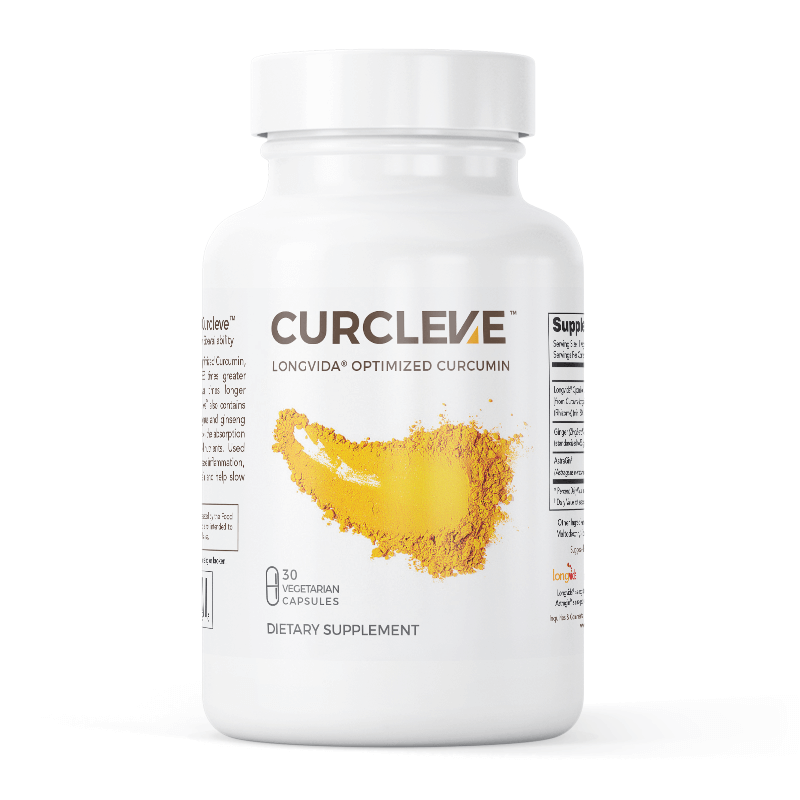
Innovative solution: CurcLeve™
While lifestyle changes form the basis of anti-inflammatory strategies, targeted nutritional supplements can provide additional support. Among these, CurcLeve™ stands out as a promising option for those looking to address chronic inflammation.
CurcLeve™ harnesses the power of curcumin, the main active compound in turmeric. Curcumin has been widely studied for its remarkable anti-inflammatory properties. A study published in the Journal of Medicinal Nutrition shows that curcumin inhibits multiple inflammatory pathways simultaneously, making it one of nature’s most effective anti-inflammatory compounds.(20)
What sets CurcLeve™ apart is its advanced biological technology. Traditional curcumin supplements suffer from slow absorption and most of the active compounds are not utilized by the digestive system. CurcLeve™ uses a proprietary delivery system that significantly increases the absorption of curcumin and allows for more efficient delivery to tissues where inflammation occurs.
By including CurcLeve™ By following a holistic anti-inflammatory lifestyle, people can reap the greatest benefits in their journey toward reducing chronic inflammation and supporting overall health and wellness.
Conclusion
Chronic inflammation is one of the most important but under-reported threats to public health. By understanding its causes, effects, and remedies, we can take proactive steps to reduce inflammation and protect our long-term health.
Remember, fighting chronic inflammation isn’t just about treating the symptoms, it’s about creating a lifestyle that naturally supports balanced immune function. Through diet, exercise, stress management, adequate sleep, and targeted supplements like CurcLeve™, we can help our bodies maintain a delicate balance between necessary inflammatory responses and chronic, harmful inflammation.
Quotes
- Harvard Health Publishing. “Understanding Inflammation.” Harvard Medical School, 2019.
- Ridker, PM “C-reactive protein and the prediction of cardiovascular events among those at average risk.” Journal of the American College of Cardiology, 2007; 49(21): 2129-2138.
- Heneka, MT, et al. “Neuronal inflammation in Alzheimer’s disease.” Lancet Neurology, 2015; 14(4): 388-405.
- Terzic, J., et al. “Inflammation and Colon Cancer.” Gastroenterology, 2010; 138(6): 2101-2114.
- Grivennikov, S.I. and others. “Immunity, Inflammation and Cancer.” Cell, 2010; 140(6): 883-899.
- Hotamisligil, GS “Inflammation and Metabolic Disorders.” Nature, 2006; 444(7121): 860-867.
- National Cancer Institute. “Chronic inflammation.” Cancer.gov, 2015.
- Karin, M. “Nuclear factor-κB in cancer development and progression”. Nature, 2006; 441(7092): 431-436.
- Lopez-Garcia, E., et al. “Major dietary patterns are associated with plasma concentrations of markers of inflammation and endothelial dysfunction.” American Journal of Clinical Nutrition, 2004; 80(4): 1029-1035.
- Lumeng, CN and Saltiel, AR “The link between obesity and metabolic diseases.” Journal of Clinical Research, 2011; 121(6): 2111-2117.
- Miller, GE, et al. “Chronic stress and the regulation of inflammatory cytokines.” Proceedings of the National Academy, 2002; 99(15): 10161-10166.
- Hennig, B., et al. “Using Food to Intervene and Prevent Environmental Chemical Toxicity and Associated Diseases.” Environmental Health Outlook, 2007; 115(4): 493-495.
- Dimitrov, S. and others. “Inflammation and exercise: inhibition of monocytic intracellular TNF production by acute exercise via β2-adrenergic activation.” Brain, Behavior and Immunity, 2017; 61: 60-68.
- Irwin, MR, et al. “Sleep Disorder, Sleep Duration, and Inflammation: A Systematic Review and Meta-Analysis of Cohort Studies and Experimental Sleep Deprivation.” Biological Psychiatry, 2016; 80(1): 40-52.
- Wroblewski, LE, et al. “Helicobacter pylori and gastric cancer: factors that regulate disease risk.” Clinical Microbiology Reviews, 2010; 23(4): 713-739.
- Bullo, M. and others. “Mediterranean Diet and Oxidation: Nuts and Olive Oil as Important Sources of Fat and Antioxidants.” Current Topics in Medicinal Chemistry, 2011; 11(14): 1797-1810.
- Gleason, M. and others. “Anti-inflammatory effects of exercise: mechanisms and implications for disease prevention and treatment.” Nature Reviews Immunology, 2011; 11(9): 607-615.
- Creswell, JD, et al. “Mindfulness training reduces expression of the PMNL profile in older adults.” Brain, Behavior and Immunity, 2012; 26(4): 623-629.
- Irwin, MR “Why Sleep Matters to Health: A Psychoneuroimmunology Perspective.” Annual Review of Psychology, 2015; 66: 143-172.
- Jurenka, JS “Anti-inflammatory Properties of Curcumin, a Major Constituent of Curcuma longa: A Review of Preclinical and Clinical Studies.” Alternative Medicine Review, 2009; 14(2): 141-153.


