
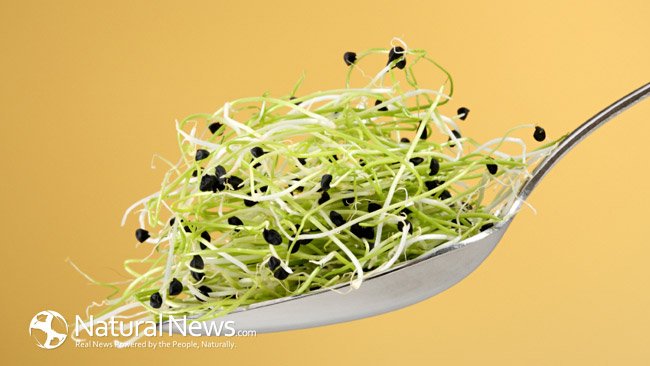
Alfalfa is mainly used for animal feed, a herb that some people include in their diet. It is considered both a herb and a legume native to South and Central Asia. The dried leaves can be used to make a supplement, but it is more common to eat the sprouted seeds as alfalfa greens. Because alfalfa is sold as an herb, there isn’t necessarily an official nutrition label to identify all of its benefits. Alfalfa sprouts are commonly used as a topping for salads and in sandwiches.
One cup of alfalfa greens contains only 8 calories, 1 gram of protein and 1 gram of carbohydrates. Alfalfa also contains vitamin C, vitamin K, riboflavin, thiamin, magnesium, iron, copper and magnesium. It also contains phytonutrient compounds including phytosterols, phytoestrogens, saponins, coumarins, flavonoids, and alkaloids.
Alfalfa has health benefits. The most studied benefit is its ability to lower cholesterol. It has been shown to lower LDL cholesterol, raise good HDL cholesterol and lower triglycerides. Saponins are responsible for lowering cholesterol. Alfalfa has also been used to improve cardiometabolic health. This is because it can lower blood fat and blood sugar levels.
Ayurvedic medicine uses alfalfa for its antioxidant effects. It helps treat conditions by reducing inflammation and oxidative damage. Alfalfa also contains phytoestrogens that act like the hormone estrogen in the body. Alfalfa can soothe some of the uncomfortable symptoms of menopause. Although not scientifically proven, some people use alfalfa for its diuretic effects, treating arthritis, getting rid of kidney stones, and increasing breast milk production.
There are potential food safety precautions with sprouting alfalfa. Because of their packaging, alfalfa greens can contain food-borne pathogens such as E. coli, salmonellaand listeria Alfalfa supplements have not been approved by the FDA, so they should be taken with caution. People with autoimmune disorders and pregnant women should be cautious about consuming alfalfa supplements. People taking blood thinners should also be careful about taking alfalfa supplements because vitamin K can interfere with the effectiveness of these medications.
Eating raw foods can be healthy, but always be careful of contamination. Alfalfa can be part of a plant-based diet. Not everyone likes their taste and not every store carries it. Herbs have both researched and unresearched theories behind them. Foods without labels and in the produce aisle are whole, nutritious and clean. Not all types are suitable for everyone, but alfalfa can be eaten at any time.
Alfalfa as a Nutrient and Functional Resource: Applications and Health Benefits – ScienceDirect
Edible Plant Sprouts: Health Benefits, Trends, and Opportunities for New Research – PMC
Adaptability, forage yield and nutritional quality of alfalfa genotypes (Medicago sativa)

Dr. Megan Johnson McCullough owns a fitness studio in Oceanside CA called Every BODY’s Fit. He holds a PhD in Health and Human Performance, an MA in Physical Education and Health Sciences, and is a NASM Certified Trainer and Educator. She is also a professional natural bodybuilder, fitness model, wellness coach and AFAA group instructor. He also has 6 books on Amazon.


