

Human growth hormone (HGH) plays an important role in our overall health, vitality and the aging process. As we age, our natural production of this important hormone decreases significantly, leading many to look for ways to increase their levels naturally. Understanding how to optimize your body’s natural HGH production can help improve muscle mass, reduce body fat, increase energy levels, and promote overall well-being.
What is human growth hormone?
Human growth hormone is a peptide hormone produced by the anterior pituitary gland. It is important for growth during childhood and adolescence, but its importance does not diminish in adulthood. HGH regulates metabolism, promotes protein synthesis, stimulates bone and cartilage growth, and plays an important role in maintaining a healthy body composition.
A study published in the Journal of Clinical Investigation shows that HGH levels peak during adolescence and decline approximately 14% per decade after age 30 (Iranmanesh et al., 1991). This natural decline contributes to many age-related changes, including decreased muscle mass, increased body fat, decreased bone density, and decreased energy levels.
The science behind natural HGH production
The production of HGH in the body follows a circadian rhythm and the highest levels occur during the stages of deep sleep. The hypothalamus releases growth hormone-releasing hormone (GHRH), which signals the pituitary gland to produce and release HGH. Conversely, somatostatin inhibits the release of HGH, creating a delicate balance that regulates hormone levels throughout the day.
Several factors affect natural HGH production, including sleep quality, exercise intensity, diet, stress levels, and body composition. Understanding these factors allows individuals to make lifestyle changes that will naturally increase their HGH levels without resorting to synthetic alternatives.
Natural ways to increase HGH production
Optimize sleep quality
Sleep is perhaps the most important factor in natural HGH production. Studies show that up to 75% of the daily release of HGH occurs during deep sleep stages, especially in the first few hours of sleep (Van Cauter and Kopinschi, 2000). To maximize HGH production through sleep:
- Maintain a regular sleep schedule, aiming for 7-9 hours a night
- Create a dark and cool sleeping environment
- Avoid screens and blue light before bed
- Establish a restful sleep routine
- Avoid caffeine and large meals near bedtime
Intense exercise
Regular exercise, especially high-intensity interval training (HIIT) and resistance training, significantly stimulates HGH production. Research published in Sports Medicine shows that intense exercise can increase HGH levels up to 10-fold immediately after exercise (Godfrey et al., 2003).
Effective exercise strategies for optimizing HGH include:
- Interval training with intensity 2-3 times a week
- Complex resistance exercises such as squats, deadlifts and bench presses
- Circuit training that combines strength and cardiovascular elements
- Sprint drills and plyometric drills
Intermittent fasting
Intermittent fasting has gained attention for its ability to increase HGH levels. Studies show that fasting for 24 hours can increase HGH production by 2000% in men and 1300% in women (Hartman et al., 1992). The mechanism involves reducing insulin levels, which is inversely related to HGH production.
Common methods of intermittent fasting include:
- 16:8 method (16 hour fast, 8 hour eating window)
- 24-hour fasts 1-2 times a week
- The 5:2 Diet (5 days of normal eating, 2 days of calorie restriction)
Food to support HGH
Some foods and dietary strategies can support natural HGH production:
Amino acids: Arginine, ornithine and glycine have been shown to stimulate the release of HGH. Foods rich in these amino acids include lean meats, fish, nuts, and legumes.
Protein consumption: Adequate protein intake supports HGH production by providing essential amino acids. Studies show that you need to consume 1.2-1.6 grams of protein per kilogram of body weight every day.
Healthy fats: Omega-3 fatty acids and monounsaturated fats support hormone production. Include sources such as fish, avocados, nuts and olive oil.
Reduce sugar: High sugar intake reduces HGH production by increasing insulin levels. Limiting processed foods and refined sugars.
Stress management
Chronic stress raises cortisol levels, which can decrease HGH production. Effective stress management techniques include:
- Meditation or regular mindfulness practices
- Deep breathing exercises
- Yoga or tai chi
- Adequate rest and recovery time
- Social support and communication
Natural supplements to support HGH
Several natural supplements can support HGH production along with the right lifestyle practices:
Melatonin: This sleep hormone not only improves sleep quality, but can directly stimulate HGH production. Studies show that melatonin supplementation can increase HGH levels by up to 157% (Forsling et al., 1999).
GABA (gamma-aminobutyric acid): This neurotransmitter can increase HGH levels at rest and during exercise. Research shows that GABA supplementation can increase HGH by up to 400% (Powers et al., 2008).
Alpha-GPC: This compound can increase the HGH response to exercise and support cognitive function.
L-arginine: This amino acid can stimulate HGH production, especially when taken before exercise or sleep.
The benefits of optimizing natural HGH
Maintaining healthy HGH levels through natural methods offers many benefits:
- Improved body composition: Increased muscle mass and decreased body fat
- Better sleep quality: More restorative sleep and better recovery
- Increase energy: Increased vitality and reduced fatigue
- Strong bones: Improves bone density and reduces the risk of fractures
- Full recovery: Faster recovery from exercise and injury
- Better skin health: Improvement of collagen production and skin elasticity
- Cognitive benefits: Improve memory and mental clarity
Safety considerations
Although natural methods of increasing HGH are generally safe, it is important to approach any hormone optimization program carefully. Before making any significant changes to your diet, exercise regimen, or supplement regimen, consult with your healthcare professional, especially if you have underlying health conditions.
Avoid synthetic HGH injections unless prescribed by a qualified physician for a legitimate medical condition. Synthetic HGH has significant risks and side effects, including joint pain, fluid retention, increased risk of diabetes, and possible heart problems.
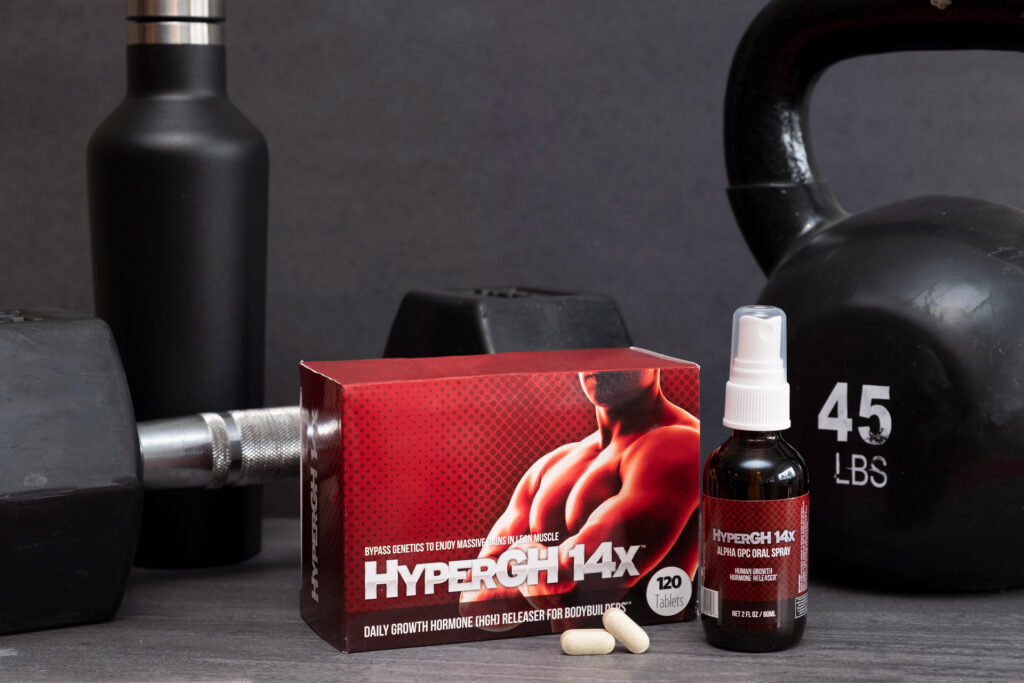
HyperGH 14x: Natural HGH Support Supplement
For those looking for additional support on their natural HGH optimization journey, HyperGH 14x offers a comprehensive approach to hormone support. This natural supplement is designed to work with your body’s existing HGH production mechanisms, rather than replacing them with synthetic alternatives.
HyperGH 14x contains a carefully selected blend of amino acids, herbs and nutrients that have been researched for their potential to support natural HGH production. The formula includes ingredients such as L-Arginine, L-Lysine, L-Tyrosine, Tribulus Terrestris and Astragalus Root Extract, among others. These components work synergistically to enhance your body’s natural ability to produce and release growth hormones, especially when combined with proper exercise, nutrition, and sleep habits. The supplement is formulated to be taken twice a day to support both daytime energy and nighttime recovery when natural HGH production typically peaks.
Quotes
- Iranmanesh, A., Lizarralde, G., & Veldhuis, JD (1991). Age and relative adiposity are specific negative factors for the frequency and amplitude of growth hormone (GH) secretory bursts and the half-life of endogenous GH in healthy men. Journal of Clinical Endocrinology and Metabolism73(5), 1081-1088.
- Van Kouter, E., and Kopinshi, G. (2000). The relationship between growth hormones and sleep. Growth hormone and IGF research10, S57-S62.
- Godfrey, RJ, Madgwick, Z., & Whyte, GP (2003). Growth hormone response to exercise in athletes. Sports medicine33(8), 599-613.
- Hartman, ML, Veldhuis, JD, Johnson, ML, Lee, MM, Alberti, KG, Samojlik, E., & Thorner, MO (1992). Increased hormone (GH) secretory burst frequency and amplitude contribute to increased GH secretion during a two-day fast in normal men. Journal of Clinical Endocrinology and Metabolism74(4), 757-765.
- Forsling, ML, Wheeler, MJ, & Williams, AJ (1999). Effects of melatonin administration on pituitary hormone secretion in humans. Clinical Endocrinology51(5), 637-642.
- Powers, ME, Yarrow, JF, McCoy, SC, & Borst, SE (2008). Growth hormone isoform responses to GABA administration at rest and after exercise. Medicine and Science in Sports and Exercise40(1), 104-110


