
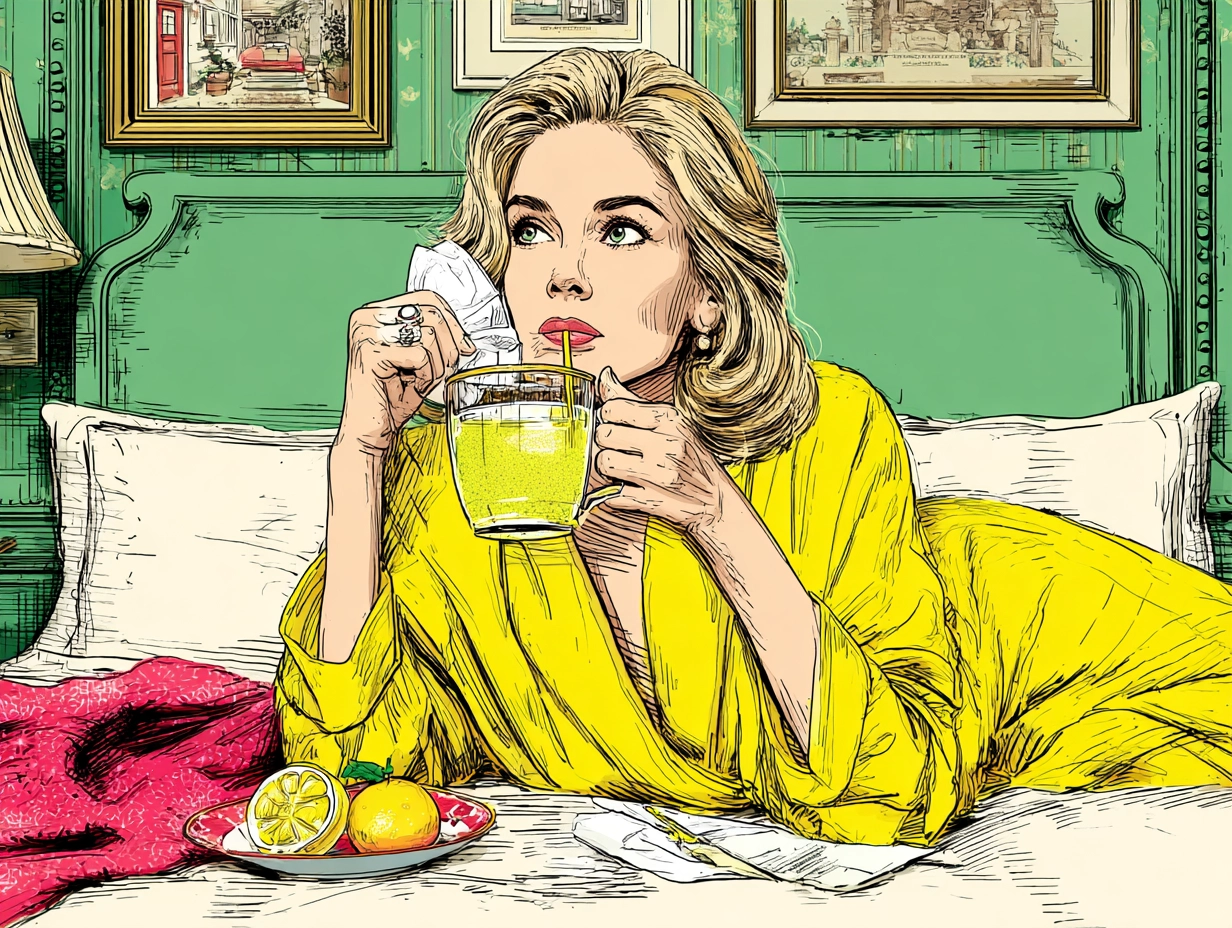
Life has a way of disrupting our plans. Sometimes these disruptions come quietly, and sometimes they come through illness – forcing us to slow down whether we want to or not.
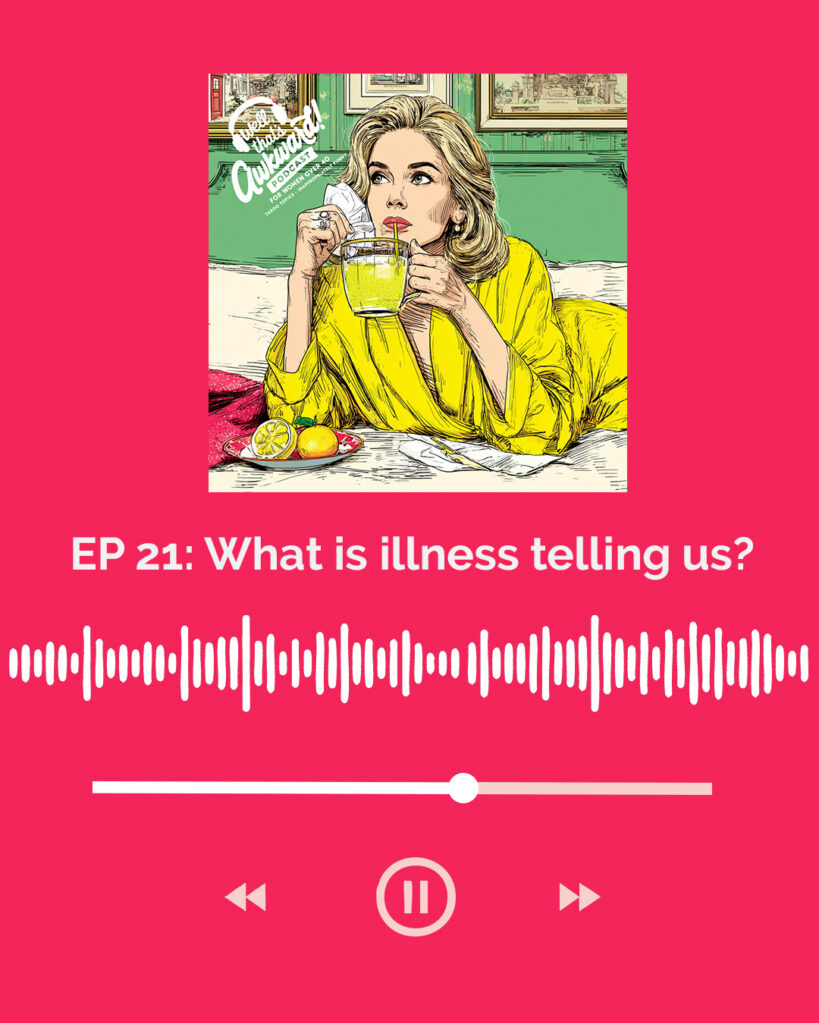
In Series 21 Yes, it’s awkward podcastSusan Osman and Rachel Branson reflect on that very moment. The episode almost didn’t happen. Susan was ill and there was real question whether the recording would go ahead at all.
But this uncertainty sparked a deeper conversation about illness, recovery, and the role of our thoughts in the healing process.
Hearing the news of illness
Illness often forces us to pause that we might otherwise avoid. In a culture that celebrates productivity and persistence, a pause can feel uncomfortable—even uncomfortable.
Susan and Rachel think that disease can transmit messages. Not necessarily in a mystical sense, but as a signal that our body and mind need attention, rest or meditation.
Rather than seeing illness as an obstacle, the conversation invites the audience to ask another question: What can this experience ask us?
For many people, periods of illness become moments of re-examination of our lifestyles, stress levels, priorities and ways of relating to our well-being.
The power of thought in healing
One of the central themes of the episode is this the power of thought and intention.
Rachel shares her thoughts on a recent mindfulness workshop she attended A statue by the lochs in Dorsetwhere participants explored the relationship between thought patterns, belief systems, and personal well-being.
The idea is simple but profound: the thoughts we constantly have can affect our perception, our behavior, and ultimately the direction of our lives.
When used for health and recovery, this raises an interesting possibility – that imagining a future version of yourself that is good can support the healing journey.
Is staying in the moment always the answer?
Mindfulness culture often emphasizes the importance of being present. But in this episode, Susan and Rachel find out if that advice always works for us—especially when the present moment is painful or difficult.
If one is suffering from illness, fatigue, or emotional stress, constantly returning to the present can sometimes feel limiting.
Instead, they ask if envisioning a healthy future can provide motivation, hope and guidance.
The discussion does not suggest ignoring reality or avoiding underlying health problems. On the contrary, it opens up its possibilities the mind can be an ally in recoveryhelping us move toward a future where well-being is possible again.
Talk about treatment, meditation and options
Like every episode Yes, it’s awkwardthe conversation mixes honesty, curiosity, and a willingness to explore ideas without pretending to have all the answers.
Listeners provide feedback on:
- What disease can reveal about our life and well-being
- The relationship between thoughts, beliefs and treatment
- However, imagining a healthy future self can support recovery
- Balance between thinking and forward thinking
And of course, in the name of podcasting, there are some awkward and deeply human moments along the way.

Listen to episode 21 Yes, it’s awkward
If you’ve ever wondered if your mindset can affect your health or if illness ever made you stop and reflect on your life, this episode offers a smart and compelling exploration.
Susan Osman and Rachel Branson invite listeners into a gentle conversation about healing, death, imagination, and the power of stillness in our thoughts.
Sometimes the most meaningful insights come not when everything is going well, but when life forces us to pause and reassess the path ahead.


