
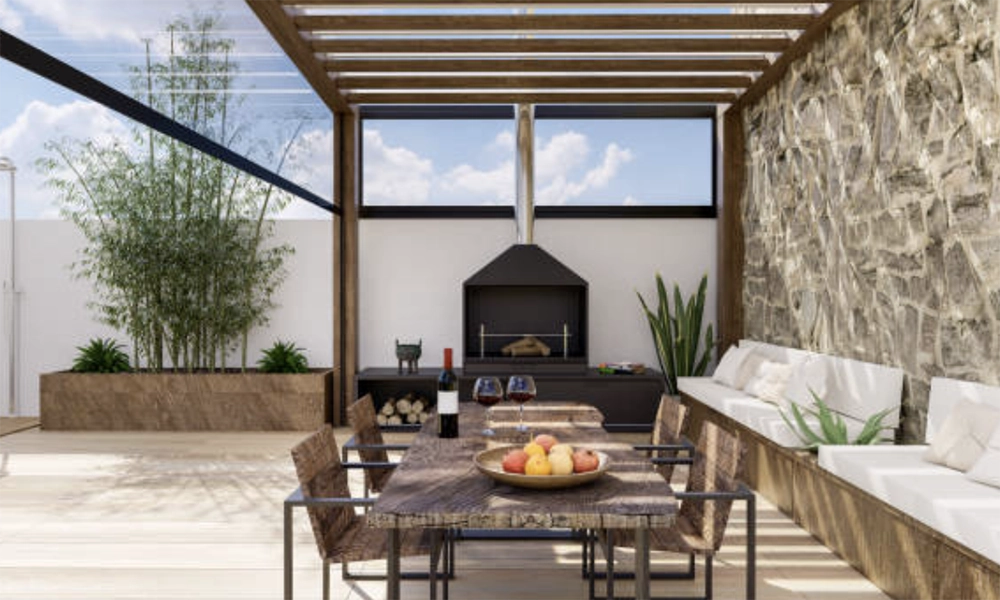
In an era where mental health awareness has never been more prominent, we understand the deep connection between our physical environment and mental well-being. While much attention has been paid to creating soothing indoor spaces, the transformative potential of outdoor living areas remains an untapped resource for many homeowners. Your garden, patio or balcony is not just an aesthetic addition to your property – it is a powerful tool for nurturing mental health and overall quality of life.
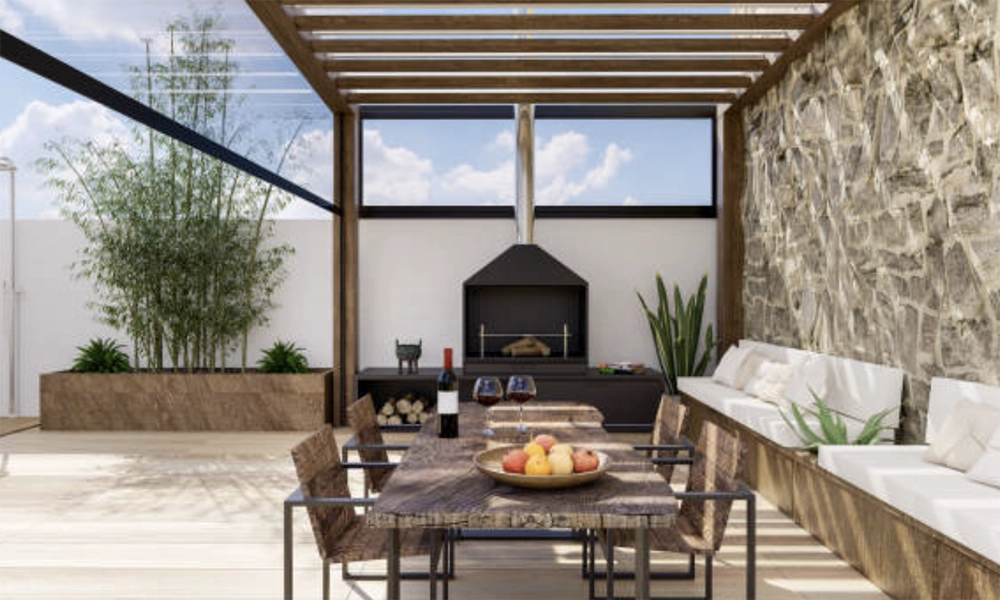
Research consistently shows that spending time in natural environments reduces stress, anxiety, and depression while increasing mood, cognitive function, and emotional stability. By thoughtfully transforming your outdoor living space, you create a sanctuary that invites regular communion with nature, fresh air, and the healing qualities of the outdoors. Whether you have a large patio or a modest balcony, the principles of creating a restorative outdoor environment remain remarkably similar.
- Understanding the relationship between outdoor spaces and psychological well-being
Before making any changes, it’s valuable to understand why outdoor spaces have such therapeutic potential. Exposure to natural light helps regulate our circadian rhythms, improve sleep quality, and stabilize our mood. Fresh air increases oxygen levels in the brain, improves cognitive function and mental clarity. It has been found that the presence of greenery lowers the level of cortisol – a hormone associated with stress, while views of nature can reduce blood pressure and heart rate.
Additionally, outdoor spaces provide opportunities for physical activity, social interaction, and memorable experiences, all of which contribute to mental health. The simple act of tending to plants offers a sense of purpose and accomplishment, while observing seasonal changes grounds us in the moment. By designing your outdoor space with these mental benefits in mind, you’ll create a space that actively supports your mental well-being, rather than just serving as decoration.
- Create zones for different mental health needs
An effective outdoor living space addresses different aspects of mental health by incorporating separate areas that serve different purposes. Consider dividing your available space—regardless of size—into areas that facilitate relaxation, activity, socializing, and contemplation.
Your relaxation area should prioritize comfort and relaxation. Include a comfortable seating area with weather-resistant cushions, perhaps a hammock or reclining chair that encourages you to stop and relax. Position this area to receive morning sunlight or afternoon shade, depending on your preferences. Adding elements such as outdoor curtains or privacy screens can increase the sense of enclosure and security that many find psychologically comforting.
The activity zone promotes gentle movement and physical engagement. It doesn’t have to be elaborate – a small area for yoga or stretching, a potted bench for gardening or even a simple path that invites walking meditation is enough. Physical activity releases endorphins and provides a healthy way to process emotions and manage stress.
Social zones facilitate connection with others, an important component of mental well-being. A dining area, fire pit, or clustered seating provides opportunities for meaningful conversations and shared experiences. Even if you live alone, having a welcoming space for occasional visitors strengthens the social bonds that buffer against isolation and depression.
Finally, a meditation area provides space for quiet reflection. This could be a single chair placed with a view, a small meditation platform, or a focal point such as a water feature or sculpture that draws the eye and calms the mind.
- Inclusion of therapeutic elements
Some features have special healing qualities and deserve special attention when transforming your outdoor space. Water features, whether a simple fountain or an elaborate pool, provide a soothing ambient sound that masks urban noise pollution while creating a focal point for contemplation. The sound of moving water has been shown to reduce stress levels and promote relaxation, making it an invaluable addition to anxiety management.
Vegetables form the basis of any restorative outdoor space. Include a variety of plants that appeal to different senses—scented herbs like lavender and rosemary for aromatherapy benefits, textured plants that invite touch, and whimsical flowers that lift the mood through color. Native plants that attract butterflies, bees and birds add movement and life, while supporting local ecosystems and providing the psychological benefits of connecting with the wider natural world.
Lighting deserves careful consideration because it determines when and how you use your outdoor space. Soft, warm lighting extends the ability to the evening hours without harsh glare that can increase stress. Solar lights, string lights or candles create a cozy and safe atmosphere. Consider keeping areas as dark as possible as well, as connecting with the night sky and natural dark patterns supports healthy sleep cycles.
Sensory engagement through different textures, sounds and smells creates a rich environment that draws attention to the present moment – the essence of mindfulness. Include smooth stones, rough leather, soft moss and a variety of seating materials. The sounds of the wind, rustling grass, and fire pits all contribute to the sounds that calm the nervous system.
- Design for seasonal engagement
The mental health benefits are reduced if your outdoor space is unused for large parts of the year. Designed with all seasons in mind to encourage year-round engagement. This is especially important in the UK where the weather can be unpredictable.
Shelter elements like garden shedspergolas, gazebos or awnings that provide protection from the rain while maintaining a connection to the outdoors. Outdoor heaters or a fire pit extend comfortable use in the colder months. Consider installing outdoor lighting that will make the space inviting even in the early winter darkness.
Choose plants that will provide interest throughout the seasons – spring bulbs, summer perennials, fall foliage and evergreen structure for winter. This seasonal progression provides something to predict and observe, and a monotony that can contribute to low spirits, especially during the dark months.
Weatherproof storage ensures that comfort items remain available year-round. Pillows, blankets, and entertainment options stored in attractive outdoor boxes remove barriers to spontaneous outdoor time and maximize space utilization while supporting the mood.
- Bringing smart experiences into your outdoor space
Beyond design elements, consider how your outdoor space can contribute to a specific experience of mindfulness and well-being. Create a dedicated space for yoga or tai chi with a level, stable floor and sufficient clearance. A small meditation cushion or chair placed in a quiet corner establishes ritual and routine around meditation practices.
Gardening itself offers profound mental health benefits through purposeful activity, gentle physical exercise, and the satisfaction of growing. Even container gardens on balconies provide these benefits. Design your space to make gardening accessible and enjoyable – raised beds reduce physical stress, organized tool storage takes the hassle out of getting started, and a potting station with good working height makes the activity more enjoyable.
Consider including items that facilitate gratitude practices, such as a small journal to keep in weatherproof storage or rocks to write intentions on. Some people find value in creating a small altar or meaningful display with natural objects that ground them in what is most important.
- Balancing privacy and openness
Psychological research shows that people need perspective (open views) and shelter (protected spaces) to feel truly comfortable in a space. Disrupting this balance will dramatically affect the restorative feel of your outdoor space.
Privacy screening through a wall, hedge, or posts creates psychological safety and allows you to relax completely without feeling watched. However, full enclosure can feel claustrophobic. The goal is partial screening that provides privacy while connecting to the wider environment – perhaps a solid barrier at eye level when seated and an open space above that allows for a view of the sky and light penetration.
Position seating to maximize pleasant views and minimize exposure to nearby views or windows. Strategic planting can create desirable views while softening or blocking unwanted views. landscape designers Invite “borrowed landscapes” that make your space more spacious and connected to nature.
- Identify it
Perhaps the biggest barrier to realizing the mental health benefits of outdoor spaces is the high maintenance requirements. A demanding garden becomes a source of stress instead of relief. Design with sustainability and management at the fore.
Choose plants that suit your climate and soil conditions. Native species typically require less intervention while providing greater environmental benefits. Automated irrigation systems perform daily irrigation duties. Mulching reduces weeding time and improves soil health.
Start small and gradually expand. A humble well maintained space provides greater mental health benefits than an ambitious project that becomes overwhelming. Even a container of herbs by your front door or a comfortable chair on the balcony makes the right starting point.
- Conclusion
Transforming your outdoor space to support mental health is an investment that pays dividends every day. Unlike many mental health interventions, a successfully designed outdoor space benefits passively—its mere presence invites moments of relaxation, connection, and restoration. The sensory richness of the outdoor environment completely engages us and draws attention away from thought and worry into present awareness.
Whether you’re doing a comprehensive redesign or making modest changes, the principles remain consistent: create comfort, embrace nature, engage the senses, and remove barriers to regular use. Your outdoor space should feel like an extension of your home—a place you’re naturally drawn to, not a space that requires a special occasion or effort to enjoy.
By prioritizing your outdoor living area as a source of mental health, you recognize the basic human need for connection with nature, fresh air, and the restorative qualities of the outdoors. It’s not a luxury, but essential self-care that creates a personal haven that supports your mental health throughout life’s seasons.
- About the Author
- Latest news

Our editorial team are writers and experts in their field. Their views and opinions are not necessarily those of Wellbeing Magazine. If you are under medical supervision, talk to your doctor or therapist before following the advice and recommendations in this article.


