
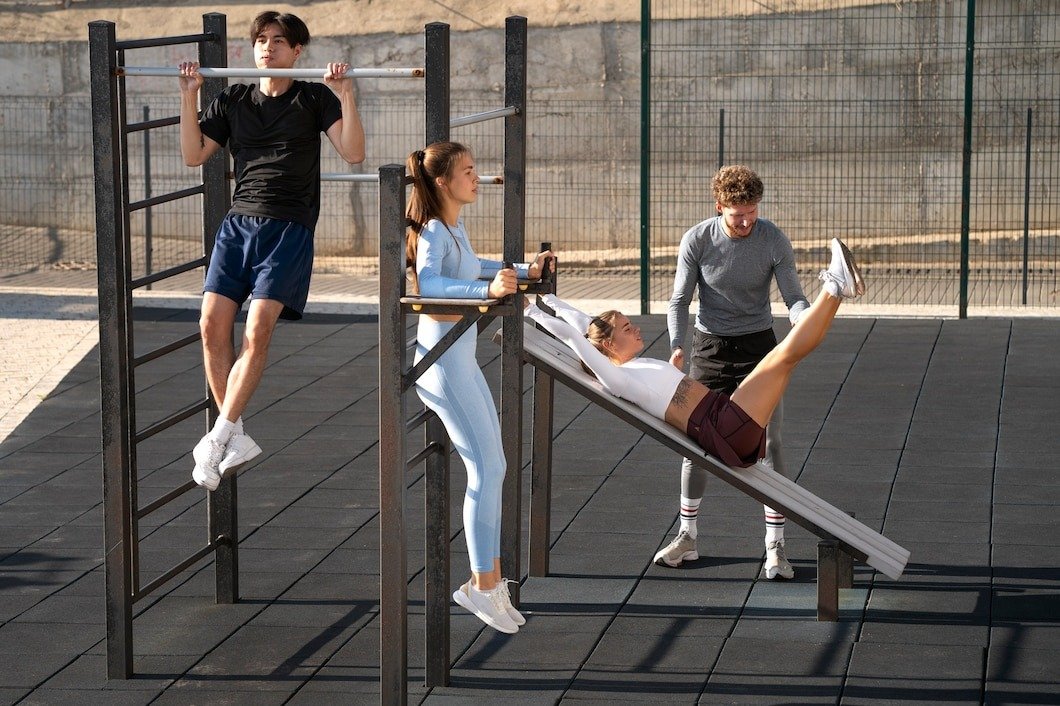
An outdoor gym should feel like an extension of your training space, built for efficiency, durability and versatility. No one wants a yard full of rusted fences, uneven surfaces, or unstable equipment.
A well-designed outdoor fitness space needs proper planning, the right materials, and a smart layout to accommodate different exercise styles.
Whether you’re setting up a small backyard space or an outdoor learning space, smart choices make a big difference.
Main points
- Choose a location with a stable surface for safety and longevity.
- Invest in durable, weather-resistant materials to withstand outdoor conditions.
- Use rubber tiles outdoors to prevent injuries and provide proper cushioning.
- Choose versatile equipment that fits your exercise goals and available space.
- Provide enough space for movement and functional exercises.
- Prioritize shade or weather protection to extend usability.
- Choose low-maintenance floors to keep cleaning simple and hassle-free.
- Design for accessibility so all fitness levels can enjoy.
Choosing the right place
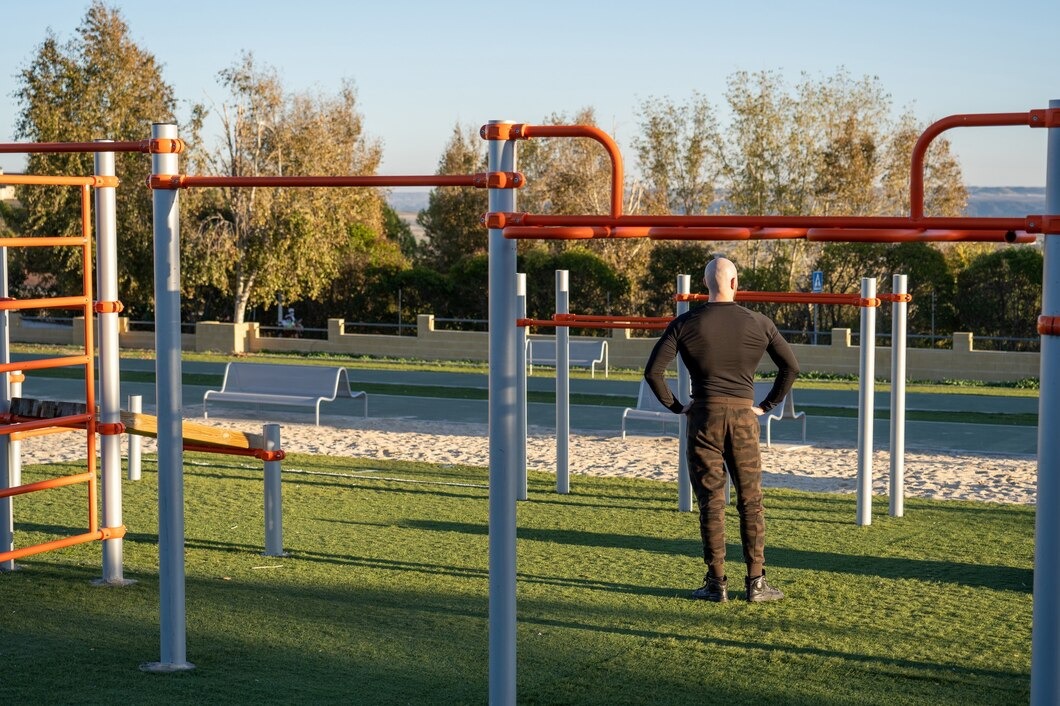
Choosing the right place is half the battle. A smooth and stable surface prevents unnecessary changes and ensures safe movement.
Uneven surfaces increase the risk of injury, and soft ground can lead to instability.
Avoid placing the equipment in areas prone to flooding or excessive shade, which can cause mold to grow on the surface.
The outdoor fitness space blends in well with its surroundings while offering enough privacy for focused training.
If possible, place near a structure that can provide protection from the wind.
If privacy is a concern, consider wall or landscaping elements that create a natural boundary without feeling like the area is enclosed.
Surface Matters: The Best Floor Options
Your choice of surface affects safety, performance and durability. Grass looks nice, but lacks durability.
Concrete is tough, but unforgiving at the joints. Investment in rubber plates on the outside of the building improves traction, shock absorption and comfort.
- UV resistance and durability: External conditions, especially direct sunlight, can cause rapid deterioration of the material. UV-resistant rubber tiles retain their integrity and color over time.
- Drainage: Accumulation of water creates a slippery surface which causes unnecessary hazards. Rubber soles with an under-structure drainage system keep things dry and safe.
- Shock absorption and joint protection: Hard surfaces like concrete can be hard on the knees and feet. High quality rubber soles offer proper cushioning without sacrificing durability.
Must-have equipment for maximum performance
An outdoor gym needs the right multi-functional equipment different exercises.
Strength, conditioning and flexibility are important when designing an effective space. Start with the basics and expand based on personal goals.
Pull-up bars, pull-up stations, and pull-up racks form the foundation of a strength-focused setup.
Battle ropes, kettlebells, and resistance bands introduce functional elements of training.
Cardio-friendly additions like jump ropes and plyo boxes keep conditioning going without requiring bulky machines.
Space design and optimization
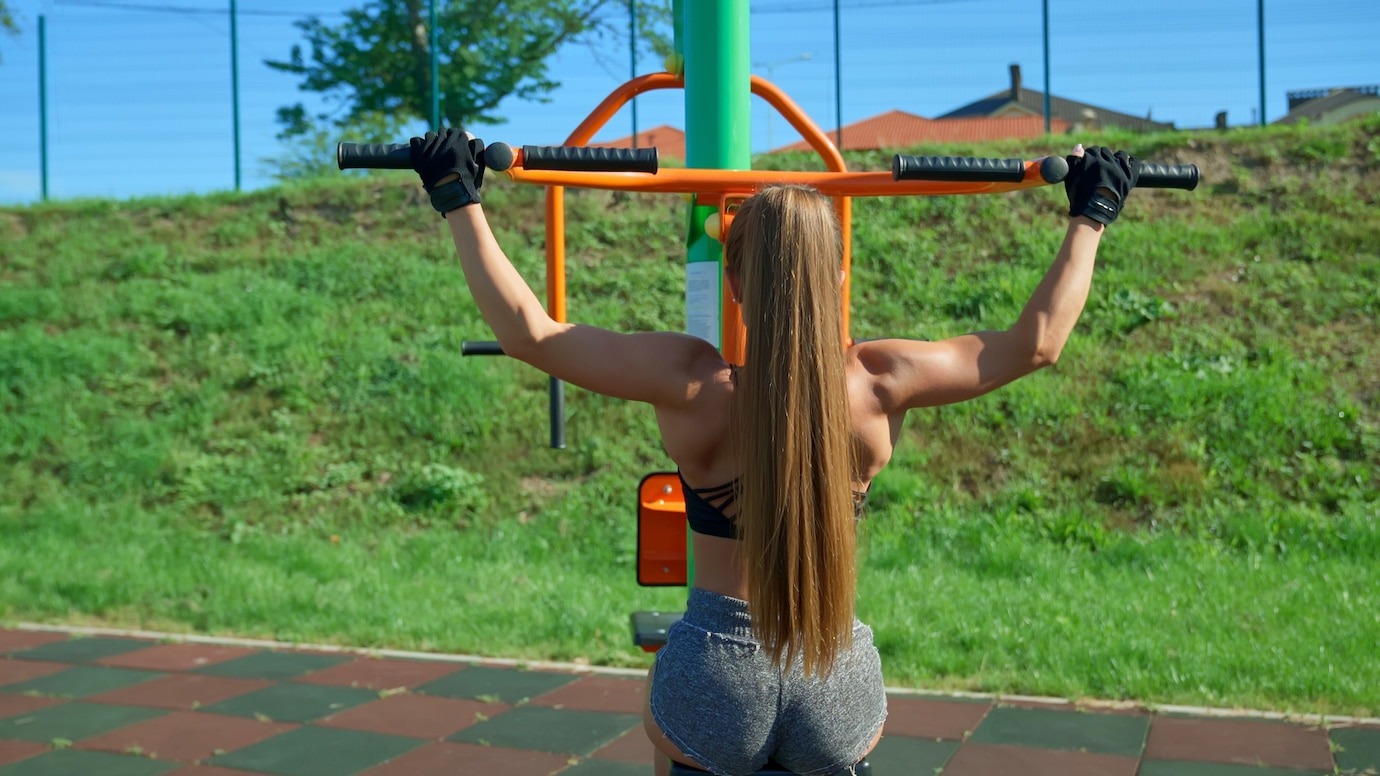
A messy setup kills the flow of a workout. A well-organized space allows for smooth transitions between exercises without unnecessary rearrangements.
Organizing by function improves efficiency and makes exercise more enjoyable.
- Strong area: This area should include shelves, pull-out bars, and benches placed against a solid wall or structure for support.
- Functional range of motion: Open space is important for bodyweight exercises. wrestlingor agility training. Make sure dynamic movements like lunges or box jumps have enough clearance.
- Storage section: Keep things tidy with special racks for weights, resistance bands and other accessories. Weather boxes work well for smaller equipment that needs protection.
Weather resistance and longevity
Outdoor conditions will wear equipment faster than indoor settings. Sun, rain and temperature changes are harmful. Choosing smart materials will extend the life of your investment.
Metal components should be powder coated to resist rust.
Plastic elements must be resistant to UV rays so as not to break.
Shelters and sheds should be constructed of weather-resistant materials to prevent rotting or warping.
Protective covers or roofs protect equipment from direct impact and reduce maintenance efforts in the long run.
Safety and accessibility considerations
The gym must be active for all users. Design with accessibility in mind to include exercises.
Uneven transitions or high-step platforms may limit usability for those with mobility concerns.
- Non-slip surface: Avoid polished or polished concrete slabs. Rubber soles provide better traction, especially in wet conditions.
- Clear ways: Keep traffic areas clear of unnecessary obstructions.
- Correct lighting: Outdoor settings should be used at all times of the day. Motion sensor lights or LED track lights improve visibility for evening workouts.
Shade and weather protection
A shaded training area makes exercise more enjoyable, especially in hot weather.
Exposure to direct sunlight not only makes the surface too hot for use, but also increases fatigue. A simple building or pergola adds the necessary shade without completely covering the space.
If full cover is not possible, placing the equipment under the natural shade of trees or installing fabric shades can work as an alternative.
Wind barriers such as hedge walls or outdoor panels reduce discomfort on windy days.
DIY vs. Prefabricated Equipment: What’s Worth the Investment?
Not all equipment needs to be available from the same fitness provider. Some elements can be made at home with simple materials, while others require professional craftsmanship.
- DIY-friendly: Parallel bars, wooden plyo boxes, and battle rope anchors can be made at home with basic tools and materials.
- The amount invested in: Stoneware, weatherproof seats, and durable rubber flooring should be purchased from reputable sources.
Budget-friendly tips
Creating an outdoor gym doesn’t have to empty your wallet. Smart investments and DIY solutions can keep costs manageable.
- Start small: Start with bodyweight stations and add more equipment over time.
- Buying second hand: Many gyms sell used equipment in excellent condition at a bargain price.
- Create your own repository: Repurposed shelves or old cabinets can serve as storage for outdoor gear when weathered.
- Invest wisely: High quality the floor and weatherproof weights reduce replacement costs over time.
Storage for long term use
A little care goes a long way. Simple habits prevent damage and keep everything in top shape.
Check metal components regularly for corrosion, especially after rain. Clean surfaces to prevent dirt build-up.
Store loose equipment like resistance bands and jump ropes in waterproof containers to extend their life.
Create a social or family setting
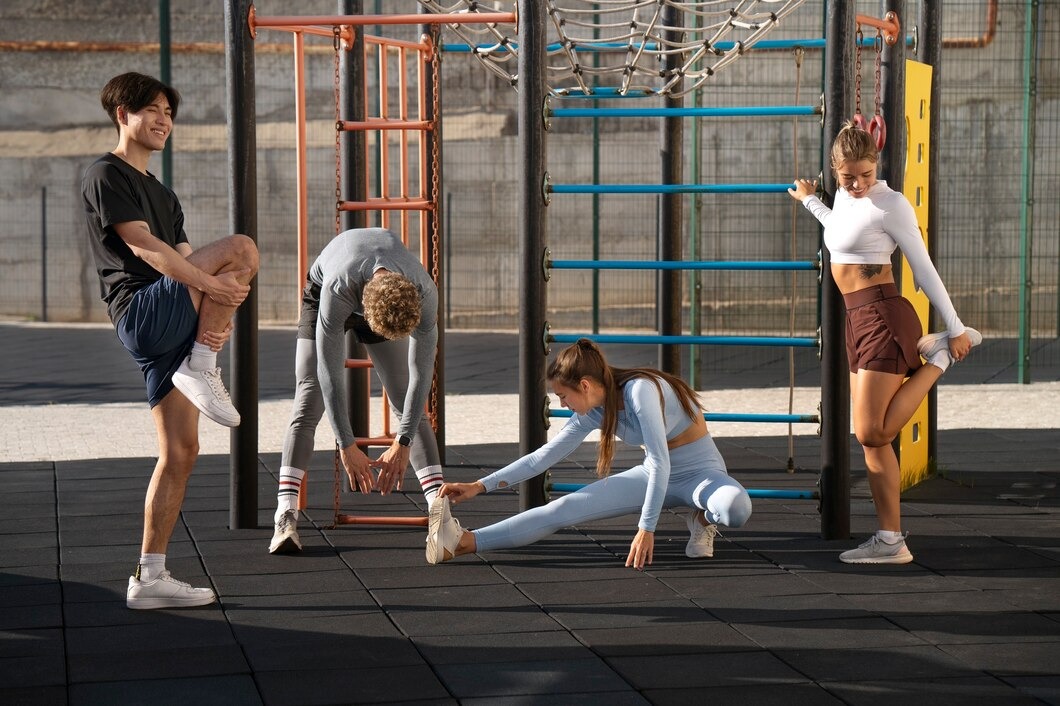
The outdoor gym isn’t just about solo workouts. A well-planned setting can accommodate family or friends and make fitness more enjoyable.
- Multi-user design: Choose a device that can use them different fitness levelssuch as adjustable pull-up bars or modular squat racks.
- Children’s favorite areas: If children are present, store hazardous equipment in a designated area and provide safe activity options such as climbing ropes or agility ladders.
- Community Integration: If space permits, designing an area that encourages group exercise or training sessions will increase motivation and social engagement.
Conclusion
A well-planned outdoor gym enhances exercise, increases motivation and provides long-term value.
Choosing the right location, investing in the right flooring and choosing multi-purpose equipment will create a safe and effective learning environment.
With smart design choices and proper maintenance, an outdoor fitness space can perform year-round.
Whether working on a tight budget or going all out on the high end, the key is to create a space that meets personal goals and works over time.


