

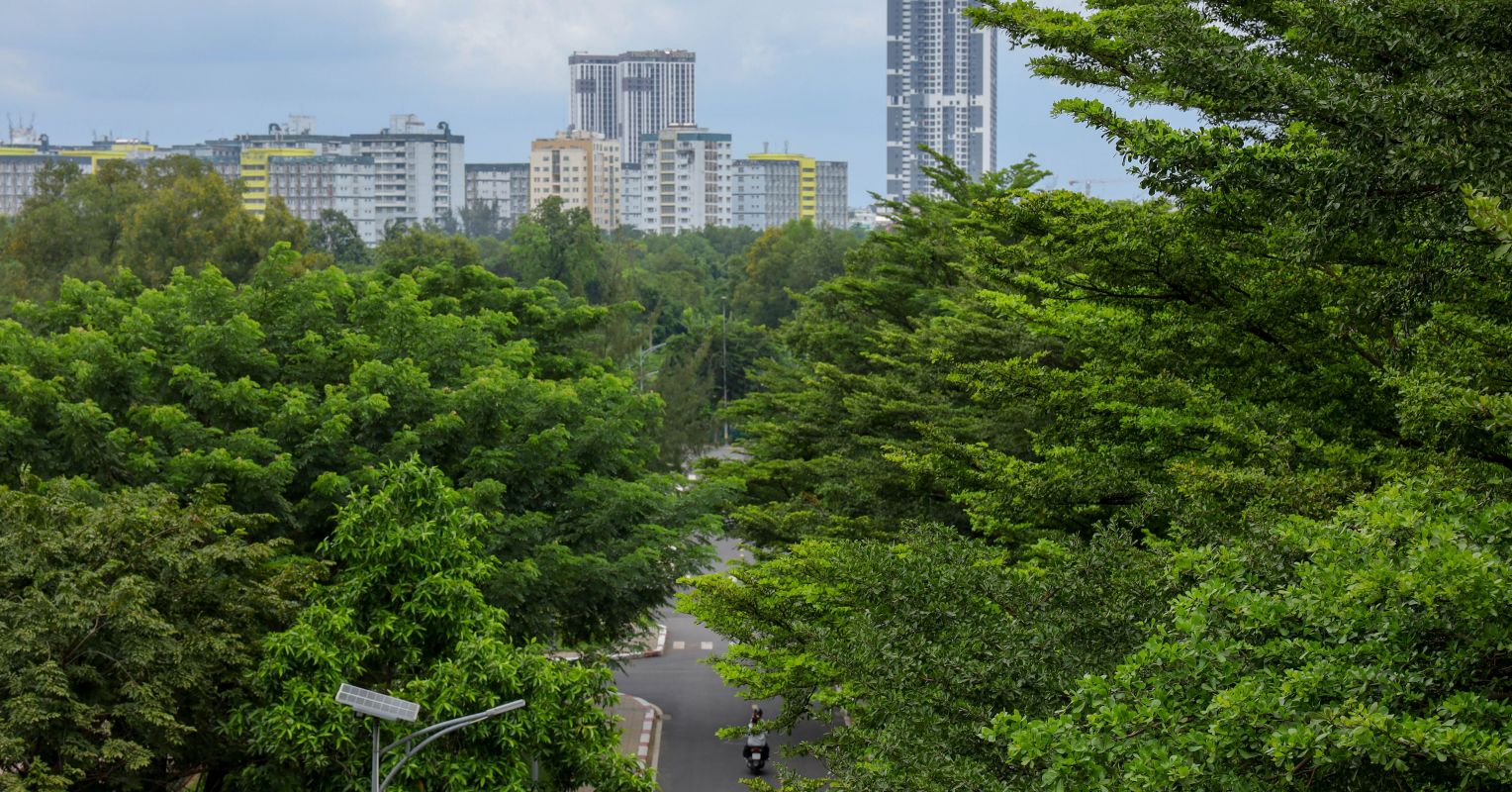
There is a special feeling that comes from stepping into a green space. It could be a forest path, a city park, a garden, a canal walk or a shady strip where the branches meet above and the light changes ahead.
Nothing dramatic happened. No problem solved. The mailbox is still there. The bills are still there. The message is still there. And yet something changes.
The mind, which was hard-earned, becomes a little free.
The world is getting bigger
Modern life is getting tight attention. Screens narrow it down. Deadlines make it tight. Worry narrows it down. Even self-care can narrow it down. Nature expands attention again.
A path through the trees asks very little of us. It does not require performance. It does not require a password. It doesn’t judge us labor productivity. It offers only movement, texture, light, shadow, sound and air.
This is psychologically important. Many problems involve loss of proportion. A difficult mail will be all morning. Disappointment becomes judgment. Anxiety becomes the world. Nature does not destroy these things, but can place them in a larger framework.
The tree is not in a hurry. Bird does not check notifications. The path does not require us to improve ourselves before we walk it.
Brief contact issues
A recent systematic review and meta-analysis examined the effects of nature and mental health in adults with mental illness or symptoms of mental illness. Spending as little as 10 minutes outside, even in urban nature, can improve mental health in older adults. Shorter repeated exposures are particularly useful.
This is an important message. We don’t need to romanticize nature or imagine that only mountains, oceans, or deserts count. A small green pocket can be essential. A tree-lined street can be very important. A bench in the garden can be important. A few minutes in daylight can be important.
This is not a cure. Nature is no substitute for proper treatment when someone is seriously ill. It does not eradicate poverty. injury, solitude, sadnessor illness. But it can be part of maintenance. It can be a preventive part. It can be part of the recovery.
What nature restores
Nature can help because it changes the type of attention we use. Much of everyday life requires direct attention: focus, respond, decide, remember, plan, hurry. This kind of attention is necessary, but it is boring.
Natural environments often invite a softer form of attention. The leaves are moving. Nations of light. The water makes a sound. Birds appear and disappear. The mind has something in which to rest, but nothing in which it must excel.
It can be deeply restorative. We are still aware, but less so emphasized. We still think, but we are less trapped by thought.
Nature also restores scale. Human problems are real, but they are not the only reality. There are roots, seasons, weather, insects, clouds, decay, growth and renewal. The natural world reminds us that life is not all about achievement. It is also a process.
A simple recipe
The recommendation of nature does not have to be great. Go outside for 10 minutes. Walk without headphones. Pay attention to the three colors. Look at the shape of the leaf. Sit near the tree. Watch the light change. Let the phone stay in your pocket.
The point is not to turn nature into another task. We don’t need to optimize our walk, photograph every flower, count every step, or convert experience into data.
It’s simpler: to be there.


