

Bone loss is a common health problem in people over 50, but is often overlooked because it develops slowly and painlessly. Many people only realize after breaking it that it can be life changing. The good news is that bone loss is not inevitable, and proper exercise can help improve bone density and bone strength.
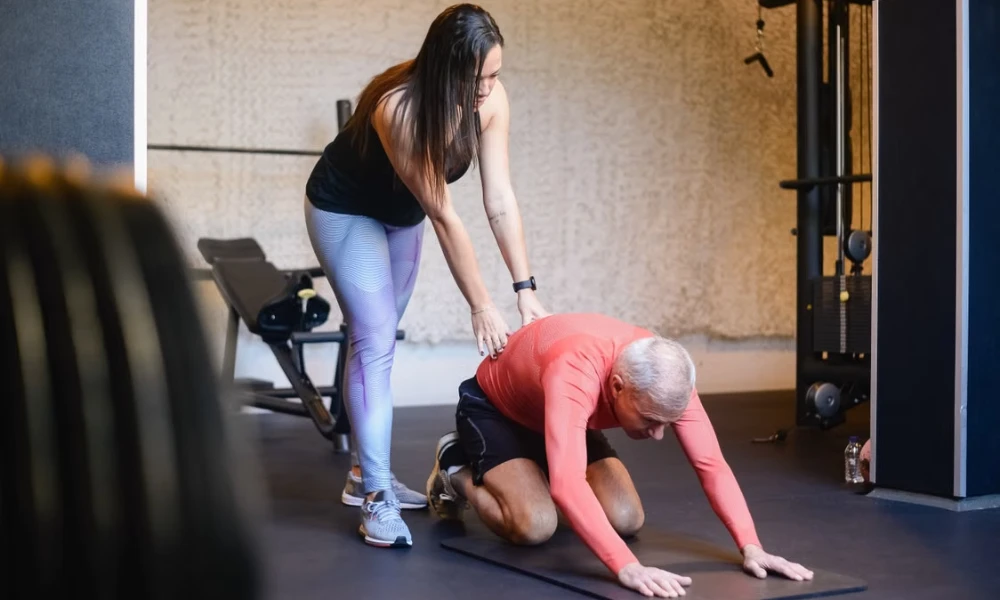
Medication and good nutrition are important for bone health, but exercise is now considered one of the best ways to slow or even reverse bone loss. However, not all exercises work the same. Research-based programs help older adults become stronger, reduce their risk of fractures, and stay independent longer.
What makes bone loss so common after age 50?
After age 50, both men and women lose bone density more rapidly. For women, this accelerates during and after menopause due to lower estrogen levels. Men also lose bone density as testosterone levels drop, although this usually happens gradually.
Research shows that nearly one in three women and one in five men over the age of 50 will experience osteoporosis in their lifetime. These fractures are not only painful, but can lead to hospitalization, loss of independence, and reduced quality of life.
Our skeleton is a living tissue that constantly regenerates itself in response to physical stress and mechanical loads. Without enough of this, especially as we age and become less active, bones gradually weaken. Therefore, choosing the right type of exercise is very important.
For people looking for a solution to the facts, Onero Sydney app presents a structured approach to improving bone health through high-intensity resistance training specifically designed for older adults.
Why simple exercises are not enough
A lot people over 50 are already active. They can walk, do yoga or swim several times a week. These activities are great for heart health, mobility, and flexibility, but they don’t put enough mechanical stress on the skeleton to significantly improve bone density.
Bones become stronger when they are exposed to sufficient mechanical load through heavy resistance training or appropriately prescribed high-impact exercise. Walking alone generally does not generate enough force to stimulate meaningful bone growth.
The Onero app was developed to address this need. It uses high-impact, high-impact resistance exercises to promote bone growth. Unlike general fitness classes, it is a clinical program based on research and designed around how the bones respond to training.
The science behind the Onero protocol
The Onero program was developed by exercise physiologist Dr. Belinda Beck and her team at Griffith University. It is based on LIFTMOR triala landmark study that examined the effects of high-intensity resistance and impact training on postmenopausal women with low bone mass.
The LIFTMOR trial produced impressive results. Participants improved bone density in the spine and hip, two of the most common fracture sites in the body. They also gained strength, improved their position and moved more confidently. Under the supervision of qualified professionals, the training was safe.
Data reported by Onero providers show that 86 percent of participants increased bone density in their lower spine after completing the program. General exercise classes have not consistently shown consistent improvements in bone density.
What the program actually includes
Onero is a supervised exercise program that runs for 12 months. The exercises focus on high-impact, low-repetition exercises such as deadlifts, overhead presses, and jumping jacks. These exercises are chosen because they create the forces needed to strengthen the bones in the spine, hips, and arms.
Classes are held in small groups and are led by experienced physiotherapists or exercise physiologists. Everyone is assessed before starting and the program is adjusted according to each person’s fitness level and bone health. This careful monitoring helps make high-intensity training safe for adults, including many people with osteoporosis or osteopenia.
Benefits beyond bone density
Although the primary goal is to improve bone health, participants often notice other benefits as well. They build muscle strength, especially in their legs, which improves balance and reduces the risk of falling. This is important because many osteoporotic fractures occur after a fall.
Participants also experience significant improvements in their posture. Resistance training strengthens the muscles that support the spine and helps reduce the forward curvature of the upper back that often develops with age, a condition known as kyphosis.
Many participants also report feeling more confident in their daily movements. Things like lifting, carrying groceries and climbing stairs become easier. These improvements help people maintain their independence and enjoy a better quality of life.
Who should consider the Onero program?
The Onero program is a good option for adults over 50 with osteoporosis, osteopenia or other risk factors for bone loss. It is also suitable for people who want to protect their bone health before significant bone loss occurs.
Depending on the provider, you may not need a referral to join, although it’s always a good idea to discuss the program with your healthcare team before starting. Before starting, everyone is evaluated to make sure the program is right for their individual needs.
Final thoughts
Keeping your bones healthy after age 50 requires more than just being active. It requires targeted exercise that puts the right load on your bones in a safe and controlled environment. If you want to reduce your risk of fractures, get stronger and stay independent as you age, the Onero program offers a proven, research-based approach. If bone health is important to you, then starting sooner can make a big difference in the long run.
- About the Author
- Latest news

Our editorial team are writers and experts in their field. Their views and opinions are not necessarily those of Wellbeing Magazine. If you are under medical supervision, talk to your doctor or therapist before following the advice and recommendations in this article.


