
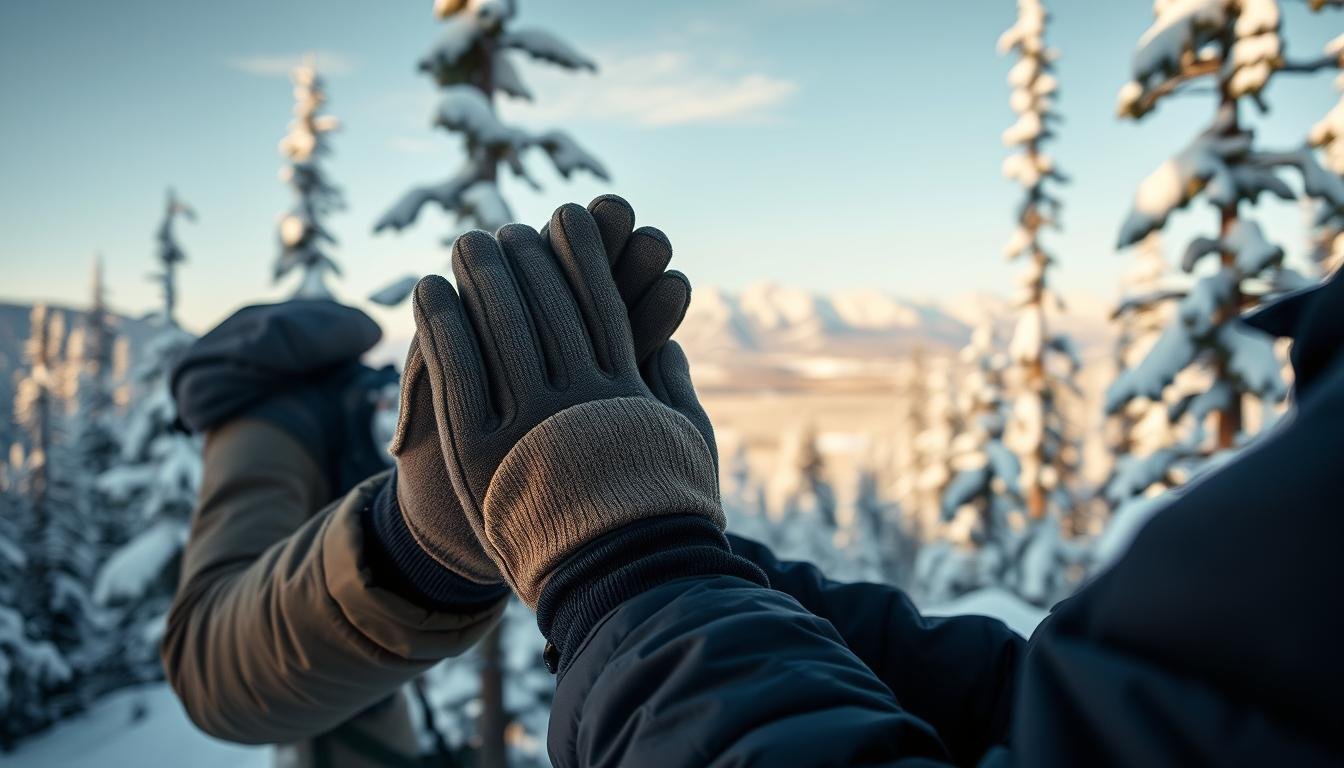
As you lace up your boots and prepare for a winter hiking adventure, you may be wondering how to keep your hands warm while navigating the challenges that cold weather brings. Many hikers, maybe even you, have experienced those frustrating moments when cold hands become a distraction, turning an exciting hike into an uncomfortable struggle. During the 650 km journey in Bolivia, the temperature ranged from 15 °C (59 °F) to a chilly -18 °C (0 °F). These drastic changes highlight the need for effective strategies to conserve heat. Fortunately, this article includes some handy winter travel tips that will keep your experience enjoyable no matter the temperature outside.
Throughout this guide, we’ll cover essential gear, layering systems, and practical tips that can transform your winter hiking experience. Whether you’re going on a day hike or a long backpacking expedition, learning how to keep your hands warm should be a priority. From recommended brands to personal anecdotes from my time in the wilderness, you’ll find valuable insights to prevent cold hands while hiking. By the end of this article, you’ll feel equipped with the knowledge to tackle the winter trails with confidence.
Understand the importance of keeping hands warm
Staying comfortable while traveling in cold weather is essential for an enjoyable experience. Cold hands can be particularly problematic, affecting not only comfort but also safety. You may find that when your hands get cold, your ability to perform tasks decreases, leading to frustration and potential hazards. To make the most of your outdoor adventures, it’s important to understand the importance of keeping your hands warm.
Why Cold Hands Can Ruin Your Travel Experience
When walking in cold weather, cold hands can cause discomfort and hinder movement, contributing to a negative experience. Cold fingers can lead to accidents, especially if you’re working with tools or relying on your skills to navigate trails. You may not realize that cold hands can lead to frostbite, a serious condition that occurs when the skin and tissues freeze. Understanding this risk can make you prioritize hand protection on winter hikes.
Physical symptoms of cold hands
A common concern when traveling is the physical symptoms associated with cold hands. You may experience numbness, tingling, or even a pale appearance in your fingers, all of which are indicators of poor blood flow. Fatigue in your hands can be caused by prolonged exposure to the cold, which can reduce grip strength, which can be dangerous if you’re dealing with difficult terrain. Taking the necessary precautions can prevent these symptoms from affecting your climbing.
The connection between hands and general body temperature
Hands play an important role in overall body temperature regulation. The optimal operating temperature for the human body is about 98.6°F (37°C). When the temperature drops significantly, shivering and sweating occur as a physiological response to maintain core heat. Because the body prioritizes warmth for vital organs, your organs can suffer, emphasizing the importance of keeping your hands warm while hiking.
How to keep hands warm: Essential gear for winter hiking
Winter hiking can bring stunning scenery and refreshing weather, but it also requires precautions to keep your hands warm. Proper winter outdoor gear plays an important role in this effort. By understanding the different layers and types of gloves, you can better prepare for your adventure and protect your hands in cold conditions.
Layering systems for your hands
A proper layering system is important for keeping warm. For your hands, consider using the following layers:
- Main layer: Thin gloves made of moisture wicking material to keep your hands dry.
- Insulation layer: One or two medium to light insulating gloves made of fleece or fleece.
- Outer layer: A durable cover is essential to protect against strong winds and moisture.
It is important to keep your hands dry as moisture quickly reduces heat. Give preference to cotton fabrics so that they do not lose their thermal properties when wet.
Winter gloves and mittens are recommended
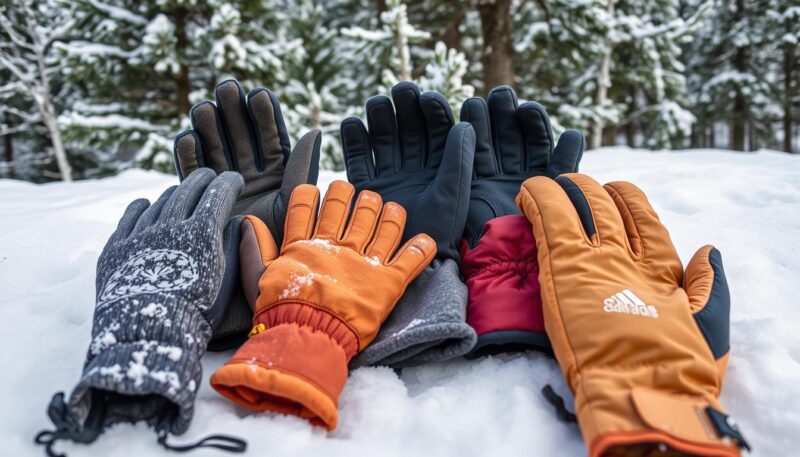
Choosing the right winter hiking gloves can make a world of difference. Consider the following options:
- Gore-Tex gloves with removable fleece liners for temperature adjustment.
- Gloves offer more warmth than gloves, despite being less wicking.
- Pair PossumDown Gloves with Backpacking Light Featherlite Vapor Mitts for extreme temperatures.
Brands like Cabela’s and Mountain Gear provide special waterproof gloves that enhance comfort and performance and keep your hands warm throughout the ride.
Hand warmers for winter hiking: a must-have accessory
Travel hand warmers serve as a great supplemental heat source. Brands like Hands can provide up to ten hours of warmth, making them a must-have for long excursions. For maximum effectiveness, place hand warmers inside the gloves or near your pulse points. Chemical warmers are often included in winter travel kits as backups, providing effective temperature management for your toes.
Be careful when using hand warmers, especially if someone is suffering from hypothermia, as improper use can cause burns. Always keep spare heaters on hand and remember that they can be reused after activation by storing them in non-oxygen-free areas such as a Ziploc bag.
| Type | Heat level | Skill | Best For |
|---|---|---|---|
| Liner gloves | Kam | High | Main layer |
| Insulation gloves | High | Kam | Cold weather |
| Waterproof gloves | Medium | Medium | Wet conditions |
| Hand held chemical heaters | Very high | No | Emergency use |
With the right layering systems, recommended gloves and mittens, and essential hiking hand warmers, you can keep your hands warm and enjoy your winter adventure to the fullest.
Practical tips for keeping your hands warm while hiking
Hiking in cold temperatures can be exhilarating but challenging. To ensure a comfortable experience, it is important to pay attention to keeping your hands warm. Here are some well-proven strategies you can implement on your next winter adventure.
Put your clothes on properly
Effective layering is a key method of keeping warm on winter hikers. A three-layer system consisting of a base layer, a middle layer and an outer layer works wonders. Using liner gloves with medium weight wool gloves offers a great way to protect your hands. Avoid tight clothing as it restricts blood circulation, which can lead to cold sores. Make sure your outer layers are easily accessible so you can make adjustments if needed.
Be bold, start cold: Embrace the movement
A proactive approach to movement can be beneficial. Embrace the “be brave, start cold” concept, which encourages you to start your adventure in cooler temperatures. As your body warms up through activity, you’ll stay comfortable without sweating too much. Exercises such as elevating your arms or legs can significantly increase blood flow to your arms.
Short breaks and regular meals
Taking short breaks while traveling helps to keep warm. Regularly eating high-calorie foods can keep your metabolism active and help keep you warm overall. Keeping hydrated is equally important; aim to drink water every hour. This helps circulate warm blood throughout your body. Avoid fizzy drinks or alcoholic beverages as they can interfere with proper digestion.
Use your technology effectively
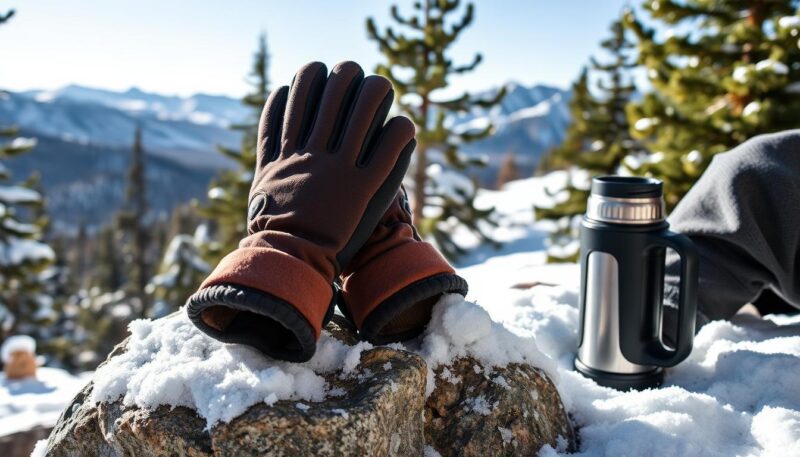
Winter hiking accessories are not only functional but also serve to increase your comfort. Having a thermos filled with hot liquids can provide an extra layer of warmth when traveling. Using chemical or electric hand warmers can provide immediate relief. Chemical hand warmers can last up to eight hours, making them an essential item on long trips. Keeping an extra pair of gloves in your backpack serves as protection against moisture and ensures that your hands are warm.
| Item | Type | Duration of heat |
|---|---|---|
| Hand held chemical heaters | One time | Up to 8 hours |
| Electric hand warmers | Recoverable | 2-4 hours |
| Thermos | Insulation for liquids | No |
| Wool gloves | Liner | No |
| Waterproof gloves | Outer layer | No |
Adapting these practical tips will allow you to tackle the challenges of winter hiking while keeping your hands warm and functional. Preparation makes all the difference when facing the elements.
Conclusion
As your winter adventures unfold, remember that knowing how to keep your hands warm outside is essential for a safe and enjoyable experience. By using the right gear, such as insulated gloves and high-performance gloves, you can fight off the biting cold that threatens your hiking hand warmer solution. Effective layering, proper clothing choices, and frequent short breaks will not only maintain your body temperature, but also improve your overall comfort on the trail.
Incorporating simple strategies, such as practicing quick movements to increase body temperature or choosing waterproof clothing, can significantly reduce the risk of cold hands during hikes. Research shows that staying dry is important; wet clothing can conduct heat faster than dry clothing, prioritizing dry insulation. Remember, even having spare gloves can cut your risk of frostbite and cold-related injuries in half.
Ultimately, the key to enjoying winter hiking is in your preparation. By following the gear recommendations and practical tips detailed in this article, you’ll be able to enjoy the outdoors no matter how cold it gets. With a little attention to keeping warm, you can confidently explore the beauty of winter landscapes and ensure a memorable and invigorating experience every time.


