

Post-traumatic stress disorder, commonly known as PTSD, is a mental health condition that can develop after experiencing or witnessing a traumatic event. Although PTSD is often associated with military combat, it can also affect individuals who have experienced violence, accidents, violence, medical trauma, natural disasters, or other stressful situations.
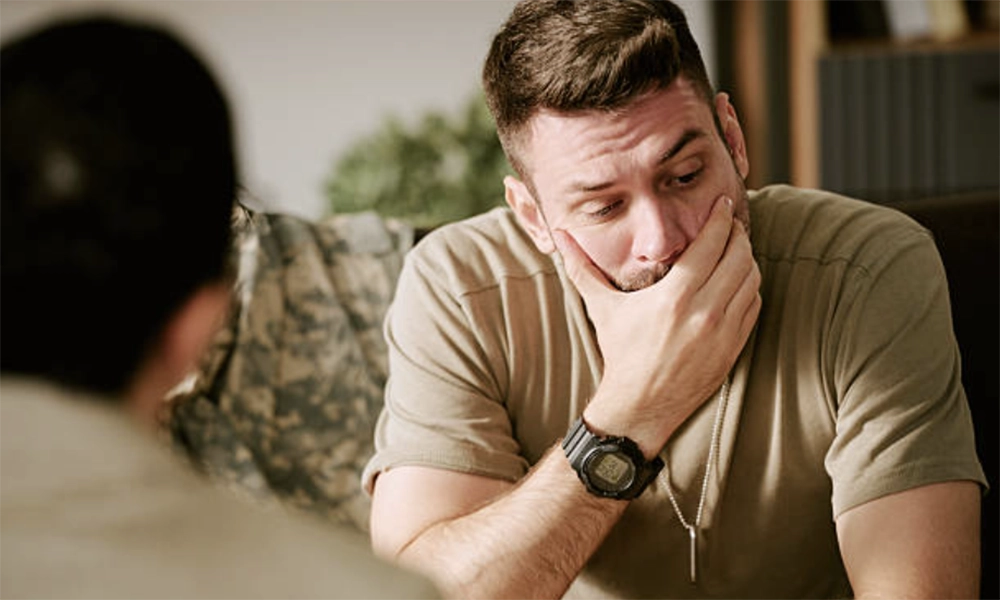
Trauma affects people differently, and not everyone who experiences a traumatic event will develop PTSD. However, for those who do, symptoms can affect emotional well-being, relationships, physical health, and daily functioning. Therefore, early intervention is becoming increasingly important in the field of modern mental health.
Research shows that early recognition of symptoms and seeking professional help can improve long-term outcomes and help people regain stability before symptoms become more severe.
How PTSD can affect daily life
PTSD symptoms can vary widely from person to person. Some people may have severe emotional reactions after a traumatic event, while others may not notice symptoms until months or even years later.
Common symptoms may include:
- Flashes or intrusive memories
- Nightmares or sleep disturbances
- High alertness and high anxiety
- Emotional numbness
- Difficulty concentrating
- nervousness or mood swings
- Avoidance of certain places, people or situations
These symptoms can interfere with work, relationships, physical health, and overall quality of life. Many people living with PTSD also have depression, anxiety, chronic stress, or feelings of isolation. Early intervention can help prevent symptoms from becoming more ingrained and can reduce the long-term emotional and physical effects associated with chronic trauma.
Why early intervention is important
One of the main reasons early intervention for PTSD is important is that trauma can affect both the brain and nervous system over time. When stress responses remain activated for long periods of time, they can affect emotional regulation, sleep quality, concentration, immune function, and even cardiovascular health.
Seeking help early can help people process trauma in healthy ways before harmful coping patterns develop. Without treatment, some people may turn to drug use, emotional outbursts, or self-harm in an attempt to manage symptoms.
Early intervention can also improve a person’s ability to maintain relationships, continue daily routines, and maintain emotional stability during recovery. Mental health professionals increasingly emphasize that PTSD is not a personal weakness. It is a medical and psychological response to trauma that deserves compassionate care and evidence.
How therapy supports PTSD recovery
As awareness of trauma and mental health grows, more and more people are seeking professional support Manage PTSD in 2026 through modern methods of evidence-based therapy. Therapy remains one of the most effective treatments for PTSD. Mental health professionals use a variety of techniques to help people process traumatic experiences, regulate emotional responses, and develop healthier coping strategies.
Trauma-informed therapy focuses on creating a safe and supportive environment where people can work through difficult feelings without judgment. Treatment plans are often personalized based on your experiences, symptoms, and recovery goals.
Some of the therapeutic approaches commonly used for PTSD include cognitive behavioral therapy, exposure therapy, EMDR (eye movement desensitization and reprocessing), mindfulness therapy, and somatic techniques that focus on regulating the nervous system.
Comprehensive strategies
As mental health care continues to evolve, many providers are also incorporating more holistic health strategies into their PTSD recovery plans. These may include stress management practices, sleep support, exercise recommendations, memory techniqueand lifestyle advice. Providers are even more focused on nervous system regulation, trauma-informed care, and long-term rehabilitation strategies designed to improve overall quality of life.
Reducing the stigma surrounding PTSD
One of the most positive developments in mental health awareness is the growing effort to reduce the stigma surrounding PTSD and traumatic conditions.
For many years, people struggling with PTSD were often misunderstood or hesitant to seek help for fear of being judged. Today, increased public awareness and scientific research are helping people better understand that trauma reactions are legitimate medical and psychological conditions.
Open conversations about mental health encourage people to seek help earlier rather than waiting until symptoms become overwhelming. This shift to greater understanding and empathy can help improve long-term outcomes for many people living with PTSD.
Creating long-term recovery and stability
Recovery from PTSD is often a gradual process rather than a quick fix. Healing may include learning new coping strategies, restoring emotional safety, improving stress regulation, and rebuilding supportive relationships.
Early intervention gives individuals a stronger foundation for long-term recovery and helps resolve symptoms before they significantly disrupt daily life. It also increases opportunities for individuals to build resilience and regain a greater sense of stability and control. Although everyone’s recovery journey is different, many people living with PTSD can experience significant improvement with the right combination of therapy, support, and personalized care.
As mental health research continues, the future of PTSD treatment is likely to become more individualized, compassionate, and focused on the well-being of the whole person.
- About the Author
- Latest news

Our editorial team are writers and experts in their field. Their views and opinions are not necessarily those of Wellbeing Magazine. If you are under medical supervision, talk to your doctor or therapist before following the advice and recommendations in this article.


