

Have you ever found yourself wondering if your baby is reaching his speech milestones in the middle of the night or quietly Googling “is my baby talking enough”, then you are not entirely alone. Speech and language development is one of those topics that can send even the most chilled-out parent into a spin. The good news is that recognizing the early signs of a speech delay means you can get the right support sooner, and there’s lots of great help out there, so let’s jump right in…
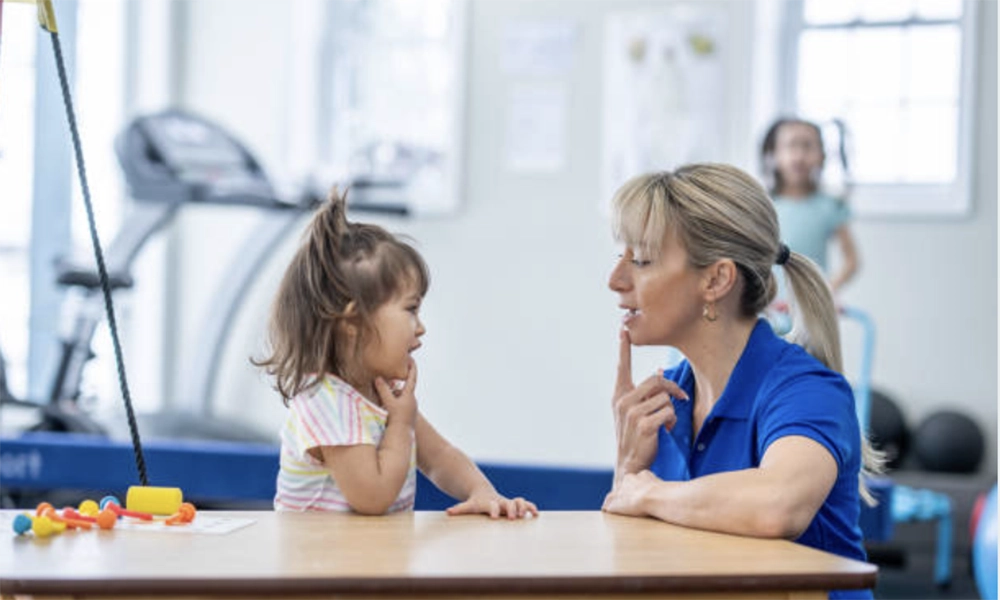
Speech delay, what exactly?
A speech delay simply means that a child is not developing their speaking and communication skills at the rate expected for their age. It is important to know that speech and language are actually two slightly different things. Speech is the physical act of producing sounds and words, while language encompasses understanding, meaning, and the ability to communicate ideas. A child may have problems with one, the other, or both, so getting a proper professional evaluation is very important. It’s also important to say up front that every child is incredibly different. Some perfectly healthy kids are just late talkers who one day suddenly burst out with meaningful sentences and never look back. But if you have a nagging feeling that something isn’t right, trusting your instincts and seeking guidance is always the right move.
Early signs for age
Here’s a rough guide to the steps to keep in mind. These are general expectations and are not hard and fast rules, but they give you a useful framework:
- About 12 months, more babies babbling excitedly, using sounds like “mommy” and “daddy” and pointing to things that interest them. They should also be able to respond to their own name and respond to simple words like “no” or “bye”. If your baby is very quiet, doesn’t fuss or respond to sounds at this age, you may need to speak to your health visitor or GP.
- By 18 months, most infants have between six and twenty words in their vocabulary. They should be able to follow simple commands like “come here” or “give me the ball” and they should show you interesting things. If your 18-month-old has fewer than six words or doesn’t seem to understand simple requests, it’s a signal that you need to act.
- By age 2, children typically put two words together and say things like “more juice” or “daddy’s gone.” They should have about fifty words or more, and strangers should understand about half of what they say. If your two-year-old still uses mostly single words, or is even too difficult for you as a parent to understand, it’s time to seek some support.
- By age 3, most children use short phrases, ask questions, and often make themselves understood. They should talk to familiar adults and follow two or three step directions. Serious problems with any of these should be explored with a professional at age three.
Other signs that are easily missed
More dictionary Counts, there are some other early signs that parents sometimes ignore. Difficulty following instructions, even simple ones, can be an indicator. Thus, a child who rarely makes eye contact may be reluctant to interact with others or may lose previously acquired skills. This last, known as regression, is something that should be noted immediately with a professional. Children over the age of 18 months who rely more on gestures than words or who become frustrated when trying to communicate and cannot make themselves understood may also benefit from an assessment. And if your child understands everything well, but can’t get the words out, this pattern is also useful information.
How speech therapists can help
This is where things get really positive because speech therapists and linguists are really great at what they do. In the UK, speech and language therapists (often called SLTs) are highly qualified professionals who specialize in assessing and supporting children and adults with communication difficulties. They can make a huge difference to a child’s confidence, development and quality of life. A speech therapist will do a comprehensive assessment to find out where your child is with his speech and language. They look at everything from how your child makes sounds to how they understand language, how they interact socially and whether there are any underlying causes of delays.
This assessment will shape an individualized plan built around your individual child, rather than a one-size-fits-all approach. Speech therapy sessions are usually playful and fun for young children, which is amazing. Therapists use games, books, songs, and everyday activities to work on communication skills in a natural and fun way. Children rarely feel like they are doing anything other than having fun, which makes the whole process much less stressful for families. Most importantly, speech therapists also support parents and caregivers with practical strategies to use at home. This is a game changer because children learn through their daily interactions, and the more equipped you are to support communication throughout the day, the better the results.
Don’t wait and see too much
Early intervention really makes a difference. The earlier speech therapy is started, the better the child’s chances of interacting with peers and building a strong foundation for communication before starting school. If you have a concern, your first port of call in the UK is usually your health visitor or GP, who can refer you to NHS speech and language therapy services. You can also apply yourself in many fields and exist independently speech therapists available if you want to go private or want a quick visit. You know your child best. If you feel uncomfortable with something, speak up, ask questions, and address it. The support is there and early action really does make all the difference.
- About the Author
- Latest news

Our editorial team are writers and experts in their field. Their views and opinions are not necessarily those of Wellbeing Magazine. If you are under medical supervision, talk to your doctor or therapist before following the advice and recommendations in this article.


