
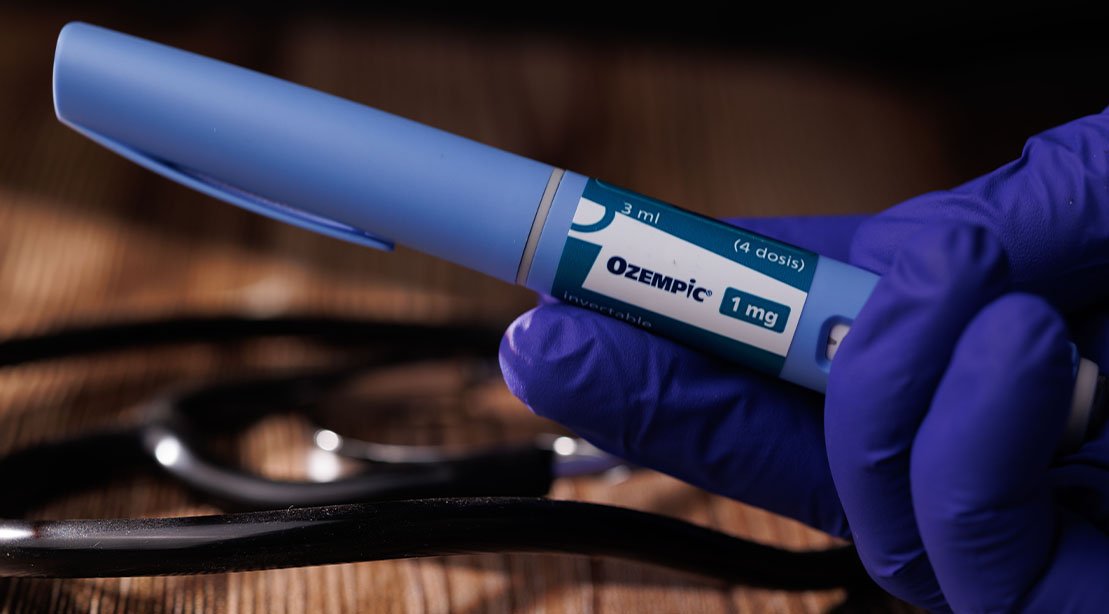
Injectable GLP-1 hormone agonists like Ozempic and Munjaro are known to suppress appetite and can cause significant weight loss, but what happens when you stop taking them? New research from the Cleveland Clinic A new study published by the Journal of Diabetes, Obesity and Metabolism looked at nearly 8,000 patients to find out. Previous analysis has shown that people tend to regain their unwanted weight soon after discontinuing use. While this previous review was based on established programs and randomized trials, new research looks at what’s happening in the real world where people can cut and change their weight loss strategies.

How the Cleveland Clinic conducted this Ozempic study
7,938 overweight or obese adults in Ohio and Florida began treatment semaglutide (sold under brand names such as Ozempic and Wegovy) or tirzepatide (Mounjaro and Zepbound) and then discontinued after three to 12 months. Then scientists led by Dr. Gasoyan looked at the weight loss and behavioral changes of the participants.
Key findings from the Cleveland Clinic study
Unlike previous studies that relied on random data, the real-world approach to people following flexible lifestyles showed that people were less likely to return than before. “Our real-world data show that many patients who stop semaglutide or tirzepatide restart the medication or switch to another obesity treatment, which may explain why they gain less weight than patients in randomized trials,” Dr. Gasoyan said. Recent results have shown:
- Those treated for obesity lost an average of 8.4% of their weight, but they only regained an average of 0.5% a year after stopping the injections.
- Those treated for type 2 diabetes lost an average of 4.4% of their weight, but significantly lost an additional 1.3% after stopping diabetes.
These findings highlight the importance of individualized support for patients undergoing obesity treatment, even when medication is discontinued. In the US, many people avoid taking weight loss pills, while others take a break due to side effects. Experts also found that many patients then explored other weight management options initial treatment of GLP-1. They observed that while 20% went back to the original medication, 14% went in the direction of lifestyle changes, including diet and being more active, to win the fight against obesity.
This latest study shows that the relationship between saying no to needles and continuing on weight loss journeys can be complicated, but not without rewards. “Many patients do not give up on their obesity treatment journey, even if they have to stop their primary medications,” said Dr. Gasoyan. “In our future work, we will study the comparative effectiveness of alternative obesity treatment options in patients discontinuing semaglutide or tirzepatide to help patients and their clinicians make informed decisions.”


