
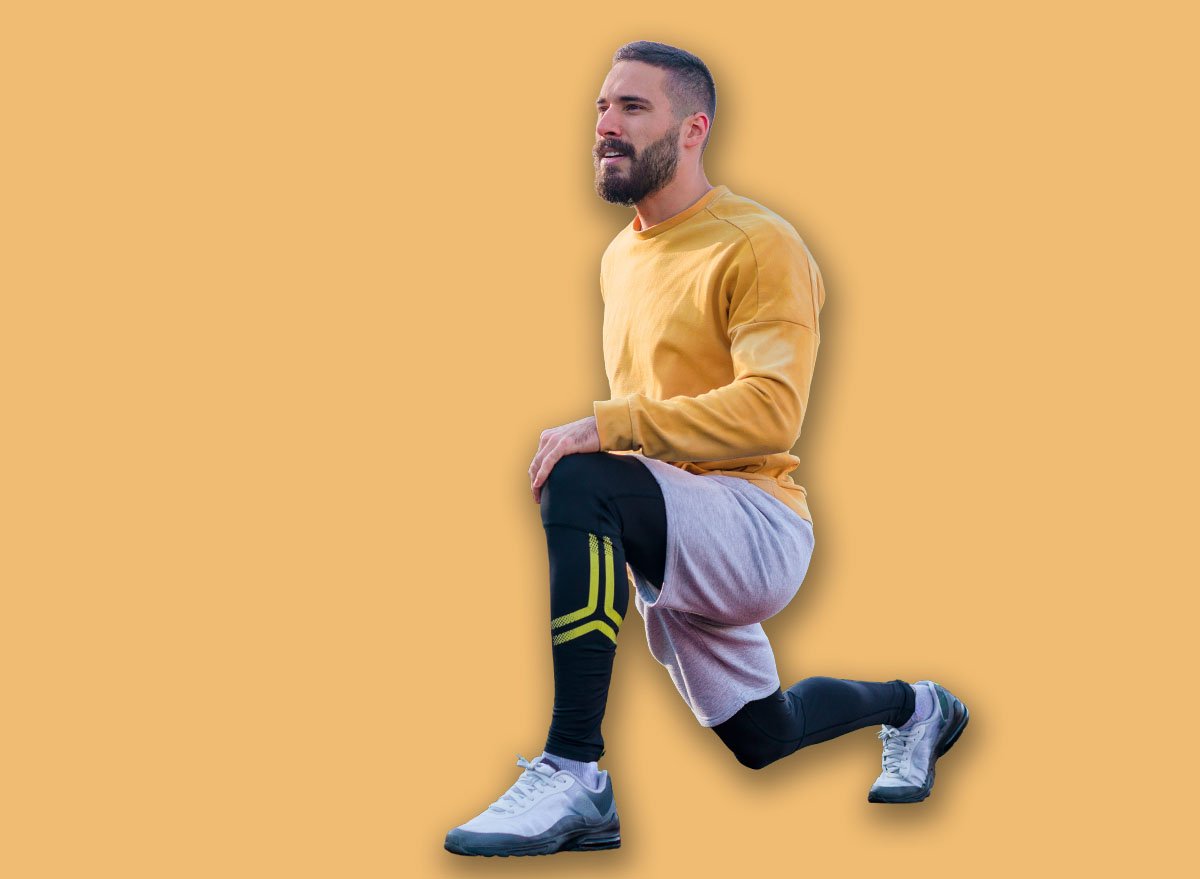
A certified trainer reveals the 5 morning moves men over 55 should do every day to build leg muscles.
Building leg muscles after 55 requires more than occasional effort, it requires consistency, control and proper movements performed regularly. Many men notice that their legs lose size and strength over time, especially if they spend more hours sitting or reduce resistance training. I’ve worked with men in this age group for years, and one thing stands out: those who do a short leg workout every morning recover their strength faster than those who rely on regular gym workouts.
Morning exercises create a powerful advantage. It activates muscles early, improves blood circulation and sets the tone for movement throughout the day. Instead of waiting for energy later, you create it immediately. This daily signal tells the body to continuously maintain and repair muscle.
Another important factor is the choice of exercises. You don’t need complicated routines or heavy weights to build leg strength. You need moves that target the quads, hamstrings, and calves while remaining controlled and repetitive. When done correctly, these exercises create enough tension to stimulate the muscles without overloading the joint.
The following exercises will focus on that restore leg muscles through simple and effective movements you can do every morning. Move slowly, control and focus on contracting the working muscles. This is what drives real progress.
Sitting down
Seated to standing squats are the foundation of lower body strength, especially for men over 55 who want to build muscle safely and effectively. I use this movement all the time because it mirrors one of the most common everyday actions, standing, and makes it a powerful builder. What makes it so effective is not only the movement itself, but the control you use during the lowering and lifting phases. Many men rely on momentum when standing, but slowing down forces the quads and glutes to take over.
When you lower yourself into a chair, the muscles stretch under tension, which plays an important role in restoring muscle tissue. Then, when you come back, the same muscles are activated and generate power. This combination of control and strength makes the exercise much more effective than it should be. Over time, this movement helps restore strength, stability and confidence in everyday activities such as getting up from a chair or climbing stairs.
How to do it
- Sit in a sturdy chair
- Keep your feet flat and shoulder width apart
- Stand up without using hands
- Slowly lower yourself down
- Repeat with control.
Standing back step lame
Back lunges offer a safer and more controlled alternative to front lunges while providing powerful muscle-building benefits. I often recommend this variation because it reduces stress on the knees while allowing the glutes and quads to handle more of the workload. For men over 55, this combination results in better long-term progress with less joint discomfort.
Stepping back shifts your weight in a way that encourages proper alignment and balance. It also forces the front leg to stabilize and generate power as it kicks back. When performed slowly, the muscles remain under tension throughout the movement, which helps stimulate growth. This exercise also improves coordination and balance, both of which play an important role in maintaining leg strength as we age.
How to do it
- Stand tall with feet hip-width apart
- Step one leg back
- Bend both knees slightly
- Push off from the front leg to return
- Alternate legs steadily.
Standing calf raises with pauses
Calf strength is often overlooked, but it plays an important role in overall leg development and daily movement. I have seen many men struggle with endurance and balance on the trail because their calves lack strength and control. That’s why I always include calf raises in my morning routine, they help to rehabilitate the lower legs and improve push-off power during walking.
Adding pause at the top of the move changes everything. Instead of jumping up and down, holding the top position forces the calf muscles to fully engage. This long time under tension is more effective in stimulating muscle growth. Over time, stronger calves improve endurance, reduce fatigue, and make walking feel easier and more efficient.
How to do it
- Stand tall with feet hip-width apart
- Stand up on your toes
- Hold at the top for 2-3 seconds
- Lower slowly
- Repeat continuously.
Standing leg extension (body weight)
Standing leg extensions isolate the quadriceps while strengthening balance and control. I often use this exercise with men over 55 because it targets the front of the thighs without requiring heavy weights or complex movement patterns. This is especially effective for restoring the strength needed to walk, climb stairs, and stand.
Extending the leg forward while keeping the torso straight forces the quads to fully contract. Meanwhile, the standing leg works to stabilize the body, which adds an extra layer of muscle engagement. Performing this exercise slowly increases tension and improves control, both of which promote muscle growth.
How to do it
- Stand tall and hold a chair if necessary
- Extend one leg forward
- Strengthen the thigh muscles
- Lower slowly
- Alternate legs.
Keeping the wall
Wall squats build muscle endurance and strength through sustained tension. I often end routines with this exercise because it forces the quads and glutes to engage without resting. For men over 55, this type of endurance training plays an important role in muscle recovery and improving daily functioning.
Maintaining a seated position against the wall challenges the muscles to maintain the contraction over time. This sustained effort helps strengthen the legs to carry over directly to real-life activities such as standing, walking, and climbing stairs. Many clients feel the strain quickly, but that’s what makes it effective.
How to do it
- Stand with your back to the wall
- Slide down until the thighs are parallel to the floor
- Keep the knees above the feet
- Hold the position
- Maintain steady breathing.


