

In the world of superfoods, beets often fly under the radar despite their impressive nutritional profile and health benefits. These ruby red root vegetables aren’t just for salads—they’re powerful allies for your cardiovascular system, exercise performance, and even sexual health. Let’s dive into the science behind beets and find out why they deserve a permanent place in your health routine.
Nitric oxide compound
At the heart of the health benefits of beets is the high concentration of dietary nitrates. When consumed, these nitrates undergo significant changes in the body:
- First, oral bacteria convert nitrates into nitrites
- The nitrites are then further converted into nitric oxide (NO) in the bloodstream
- Finally, nitric oxide works as a vasodilator, signaling blood vessels to relax and dilate.
This nitric oxide pathway was such an important discovery that in 1998 three scientists were awarded the Nobel Prize in Physiology or Medicine. Robert F. Furchgott, Louis J. Ignarro and Ferid Murad showed that nitric oxide, as a signaling molecule in the cardiovascular system, understands the regulation of blood flow.(1).
Benefits of physical activity
Athletes and fitness enthusiasts have embraced beets for their performance-enhancing properties:
Improved resistance
A study published in the Journal of Applied Physiology found that cyclists who consumed beetroot juice before exercise could ride up to 16% longer before fatigue.(2). This increase in endurance occurs because the nitric oxide from the beets helps the muscles to use oxygen more efficiently.
Full recovery
The anti-inflammatory properties of beets can help reduce muscle soreness and speed up recovery after intense exercise. A study in the European Journal of Applied Physiology found that beetroot supplementation after intense exercise reduced inflammatory markers.(3).
Low oxygen value
When nitric oxide levels rise, your body requires less oxygen to do the same amount of work. This translates into endurance and energy efficiency during exercise.
Health benefits of sex
The same mechanisms that make beets useful for athletic performance also contribute to sexual health:
Improved blood circulation
Erectile function is largely dependent on blood flow. When nitric oxide levels increase, blood vessels, including those supplying the genital area, dilate. This better circulation is important for achieving and maintaining an erection.
Regulation of blood pressure
Hypertension is a common cause of erectile dysfunction. Numerous studies have shown that regular consumption of beetroot juice can lower blood pressure. A meta-analysis published in the Journal of Nutrition found that beet juice consumption was associated with a significant reduction in systolic blood pressure.(4).
Hormonal support
Beets contain a mineral that is associated with the production of sex hormones. Some studies suggest that boron can improve testosterone levels in men, although more research is needed in this area(5).
How fast does beetroot work?
One of the most impressive aspects of nitric oxide boosting beets is how fast they work:
- A 2013 study in the European Journal of Applied Physiology found that consuming beetroot juice increased plasma nitrate levels by about 20% after 30 minutes.(6)
- Other studies have shown that the highest effect of nitric oxide between 2-3 hours after consumption
- Regular consumption appears to have general benefits for vascular health
Include beets in your diet
Despite its powerful benefits, many people avoid beetroot because of its earthy taste or because they don’t know how to prepare it. Here are some practical ways to enjoy beets:
- Beet juice: The most concentrated and fast-acting form
- Roasted beets: Roasting brings out their natural sweetness
- Beet salad: Chopped raw beets add color and nutrition to salads
- Beetroot Smoothies: Mix with berries and citrus to balance the flavor
- Beet supplements: Concentrated forms are available as pills or powders
Consistency is important for best results. Studies show that regular consumption has more long-term cardiovascular health benefits than regular consumption.
Besides nitrates: other beneficial compounds in beets
Although nitrates get the most attention, beets contain many other beneficial compounds:
- Payment loan: These pigments have powerful anti-inflammatory and antioxidant properties
- Nah: Supports digestive health and helps maintain healthy blood sugar levels
- Essential minerals: Including potassium, manganese and folate
- Vitamin C: Supports immune function and collagen production
Considerations and Warnings
Despite their benefits, there are several points to consider when adding beets to your diet:
- Belarus: Some people experience pink or red urine after consuming beets – this is harmless, but can be alarming in an unexpected situation.
- kidney stones: Those with a history of oxalate kidney stones should consume beets in moderation
- Blood pressure medications: Check with your healthcare provider if you are taking blood pressure medications, as the combined effects may lower your blood pressure too much.
Beetroot supplements for sexual health
For those who do not enjoy the taste of beets or find it difficult to consume regularly, supplements offer a suitable alternative. Recently, several products have entered the market that target the nitric oxide-enhancing properties of beets to support sexual health.
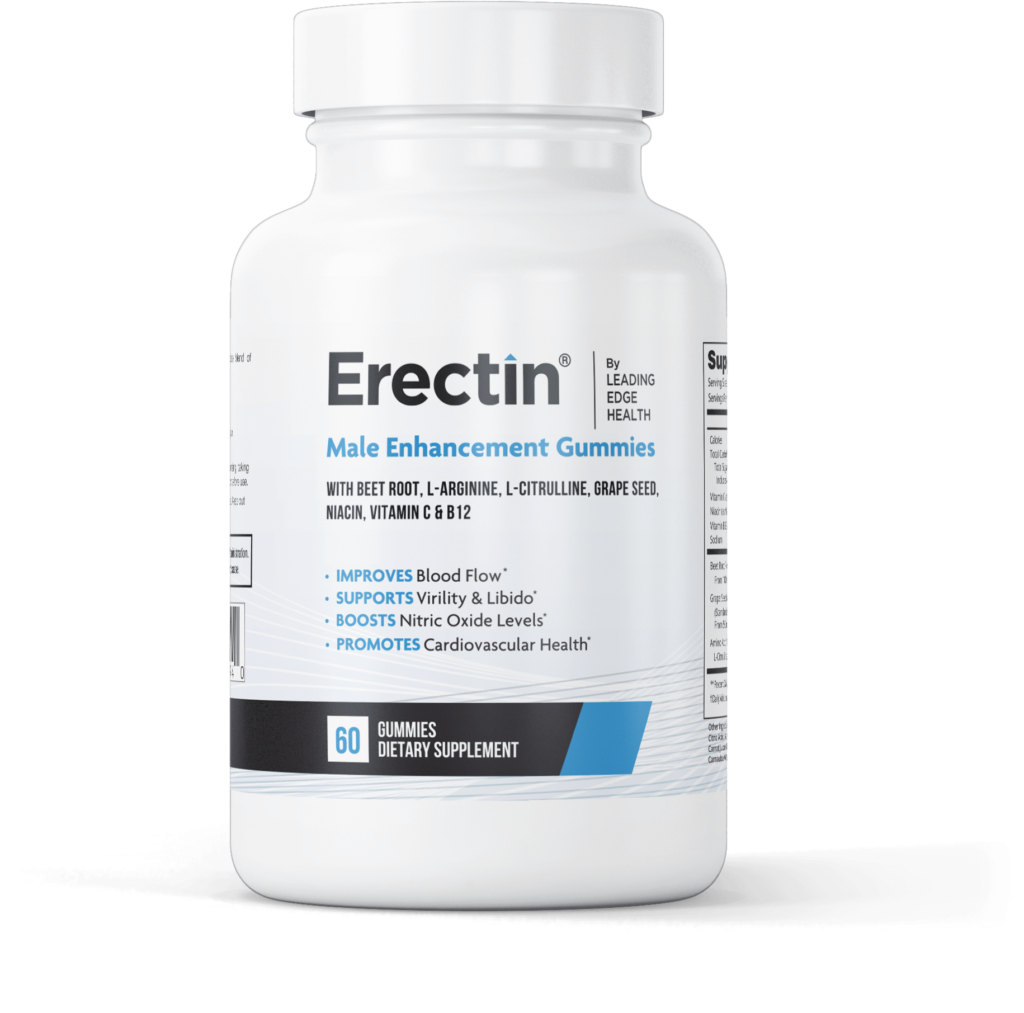
Erectin Male Enhancement Gummies represents one such innovation in the sexual wellness market. These gums harness the nitric oxide-boosting power of beets along with six additional ingredients designed to support circulation and sexual performance. This formula is based on Nobel Prize-winning research on nitric oxide and its role in vascular function.
According to the manufacturer, these rubbers start working in about 30 minutes, making them suitable for “on demand” performance support. The convenient format also addresses the common objection to consuming large amounts of beet juice or whole beets for their circulatory benefits.
Although individual results may vary, the science behind the nitric oxide-enhancing effects of beetroot provides a solid basis for such a product. For men concerned about the decline in nitric oxide production—which naturally declines with age—supplements like Erectin Gummies offer a targeted approach to supporting sexual health by improving circulation.
Conclusion
The humble beet is a powerful punch when it comes to supporting physical activity and sexual health. Through its unique ability to increase nitric oxide production, this root vegetable helps optimize blood flow throughout the body and supports everything from athletic endurance to erectile function.
Whether consumed as whole foods, juices, or as part of specialty supplements, evidence suggests that beets deserve more attention in conversations about natural approaches to physical and sexual health. As always, for ongoing concerns about sexual health, it’s recommended to consult a health care provider—but incorporating beets into your diet is a safe and natural step that can have impressive benefits for your overall life.
Quotes
- Ignarro, LJ, Buga, GM, Wood, KS, Byrns, RE, & Chaudhuri, G. (1987). An endothelium-derived relaxing factor produced and released by arteries and veins is nitric oxide. Proceedings of the National Academy of Sciences, 84(24), 9265-9269.
- Bailey, SJ, Winyard, P., Vanhatalo, A., Blackwell, JR, DiMenna, FJ, Wilkerson, DP, Tarr, J., Benjamin, N., & Jones, AM (2009). Dietary nitrate supplementation reduces O2 cost for low-intensity exercise and increases high-intensity exercise tolerance in humans. Journal of Applied Physiology, 107(4), 1144-1155.
- Clifford, T., Howatson, G., West, DJ, & Stevenson, EJ (2015). Potential benefits of beetroot supplementation in health and disease. Nutrients, 7(4), 2801-2822.
- Siervo, M., Lara, J., Ogbonmwan, I., & Mathers, JC (2013). Supplementation with inorganic nitrates and beetroot juice reduces blood pressure in adults: a systematic review and meta-analysis. Journal of Nutrition, 143(6), 818-826.
- Nagy, MR, & Samman, S. (1997). Effects of boron supplementation on urinary excretion and selected cardiovascular risk factors in healthy men. Biological Micronutrient Research, 56(3), 273-286.
- Wiley, LJ, Kelly, J., Bailey, SJ, Blackwell, JR, Skiba, PF, Winyard, PG, … & Jones, AM (2013). Beetroot juice and exercise: pharmacodynamic and dose-response relationships. Journal of Applied Physiology, 115(3), 325-336.


