

The “mommy makeover” is trending and a growing number of patients are now asking if cosmetic procedures such as tummy tucks, liposuction or breast augmentation can be performed at the same time as a caesarean section. But combining elective cosmetic surgery with a C-section can dramatically increase the risk during an already vulnerable period for the body.
C-Section and Tummy Tack Combo Raises Alarms
Procedures such as tummy tucks should be considered only after the body has recovered after childbirth. This is usually about six months after birth, depending on the individual treatment.
Our practice in South Africa is seeing an increasing number of patients asking whether body contouring surgery can be done while they are in theater for a C-section. This reflects a dangerous understanding of surgical safety and postpartum physiology.
Although the idea may seem efficient or financially attractive, pairing medically necessary obstetric surgery with elective cosmetic procedures significantly increases the operative risk at a time when the patient is physiologically vulnerable.
Combining surgery and compounding risks
About 75% of private sector hospital births in South Africa are C-sections. Since there is often overlap between women who have access to private medical care and those who can later consider elective cosmetic procedures, patients are more likely to ask if these procedures can be combined.
The more important question is whether they should. No simple answer!
C-section is already a major abdominal operation. The introduction of additional surgical trauma before the body has recovered will cause excessive stress and significantly increase the risk of complications.
Pregnancy and the postpartum period are associated with a state of hypercoagulability, that is, the blood has an increased tendency to clot. Therefore, postpartum women face a high risk of venous thromboembolism, especially in the first six weeks after delivery.
Why is this risk high?
Prolonged operative time and increased tissue damage may increase this risk by contributing to immobility, tissue stress, and an inflammatory response.
C-section procedures have their own recognized complications, including bleeding, infection, anesthetic complications, and the risk of clotting. Adding an abdominoplasty (tummy tuck) can cause additional risks, such as bleeding, fluid retention, wound breakdown, delayed healing, and blood clots.
Liposuction also carries risks such as fluid imbalance, internal injury, infection, and in rare but serious cases, fat embolism—a potentially life-threatening condition in which fat enters the bloodstream and damages vital organs.
False economy of process integration
Combining procedures rarely provides financial or practical benefits to patients.
There is also a common perception that theatrical and aesthetic fees can be combined if the surgery is combined in one session.
In fact, longer surgical times, greater monitoring requirements, and the potential for complications can result in higher medical costs. Most importantly, financial considerations should never override patient safety.
The combined recovery period can also be much more demanding on patients
A new mom’s C-section recovery already places significant physical, emotional, and mental demands. Adding cosmetic surgery to that recovery period can make mobility, wound care, and pain management difficult while the patient also has to care for a newborn.
A more intensive recovery process may require further post-operative care, closer medical supervision and additional support at home, all of which can add to the existing financial burden.
Conclusion
Surgery in the postpartum period may not provide the best long-term aesthetic results desired by the patient. It can also expose them to unnecessary repeat surgeries later.
Medically and ethically, I do not believe that a combined C-section and “make-up mom” surgery should ever be considered.
No responsible surgeon should underestimate the complex risks associated with performing such procedures. Ultimately, safe and staged care is the gold standard of medical care or allowing the body to fully recover before elective cosmetic surgery.
About the Author
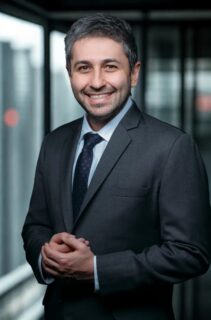 Educational background and qualifications
Professor Sofianos completed his Bachelor of Medicine (MB BCh) at the University of the Witwatersrand in 2009. He became a Fellow of the Royal College of Surgeons of England (MRCS) in 2013, furthering his expertise and in 2015 he obtained a Master of Science in Surgical Sciences (MSc) from the University of Edinburgh.
His specialist training in plastic and reconstructive surgery was completed in 2018 with an MMed from the University of the Witwatersrand and a fellowship from the College of Plastic Surgeons of South Africa (FC Plast Surg (SA)).
To improve his surgical skills, Professor Sofianos completed several prestigious fellowships:
Microsurgery Scholarship:
Guy’s and St Thomas’ NHS Trust in London, focusing on breast, lower limb, head and neck and reconstructive microsurgery.
Aesthetic Surgery Scholarship:
Advanced training in cosmetic surgery, direct training under the leaders of aesthetic surgery such as Professor Michele Pascali, Professor Hossam Foda and Dr. Theoman Dogan. These fellowships have equipped Professor Sofianos with leading expertise in aesthetic and reconstructive surgery.
Professional certifications
Professor Sofianos holds numerous professional certifications that reflect his commitment to excellence in the field of plastic surgery:
- Fellowship at the South African College of Plastic Surgeons (FC Plast Surg (SA))
- Fellowship of the Royal College of Surgeons of England (FRCS)
- Fellowship of the European Council for Plastic, Reconstructive and Aesthetic Surgery (FEBOPRAS)
- American College of Surgeons (FACS) Fellowship
Academic and clinical leadership
In addition to his clinical experience, Professor Sofianos serves as the Academic Director of the Department of Plastic and Reconstructive Surgery at the University of the Witwatersrand. In this role, he is instrumental in educating the next generation of plastic surgeons and advancing research in the field.
Studies and publications
Professor Sofianos is committed to evidence-based practice and has contributed to the medical community through numerous peer-reviewed publications. His research covers various aspects of plastic and reconstructive surgery, highlighting his dedication to advancing the field.
Community activity
Professor Sofianos is actively involved in initiatives aimed at providing surgical care to the underprivileged population. He participated in programs such as Smile Week. Prof. Sofianos performs corrective surgery for children with cleft lip and palate, thereby contributing to the well-being of the wider community.


